Start here
7 Best Home Coffee Roaster Reviews
Alright, looking into roasting your coffee beans? Awesome! Get Best Home Coffee Roaster for your kitchen. We've detailed guide with reviews.
Roasting turns green coffee into the beans you brew. Learn how roast level shapes flavor, and what it takes to roast coffee at home.
1
Guide
Feb 2023
Last updated
Start here
Alright, looking into roasting your coffee beans? Awesome! Get Best Home Coffee Roaster for your kitchen. We've detailed guide with reviews.
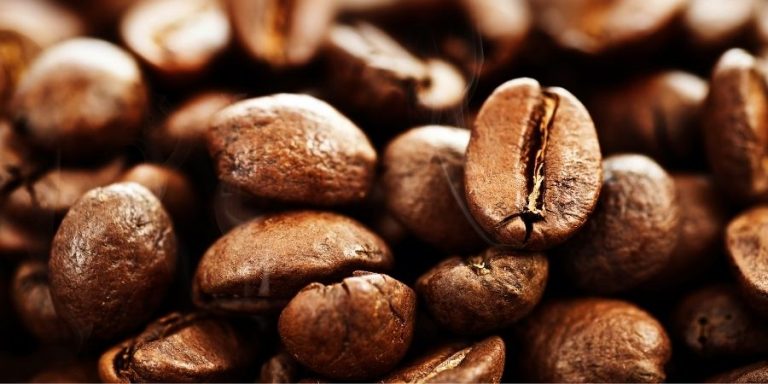




Coffee Beans
Our process
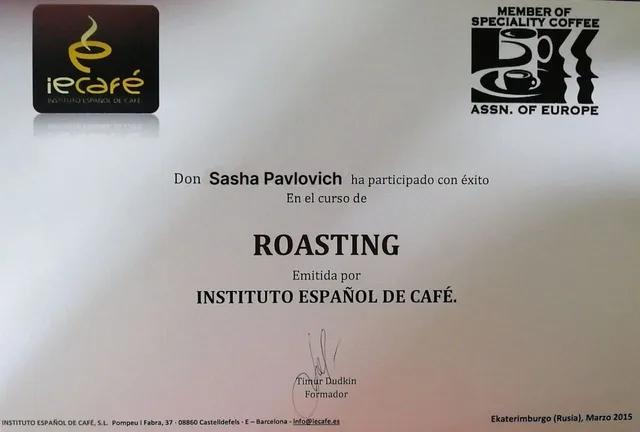
Our roasting content is guided by Sasha Pavlovich, who completed coffee roasting training at the Instituto Español de Café.
We focus on what home roasters actually need: how to control a roast, how to judge roast level, and which equipment is worth buying for your budget.
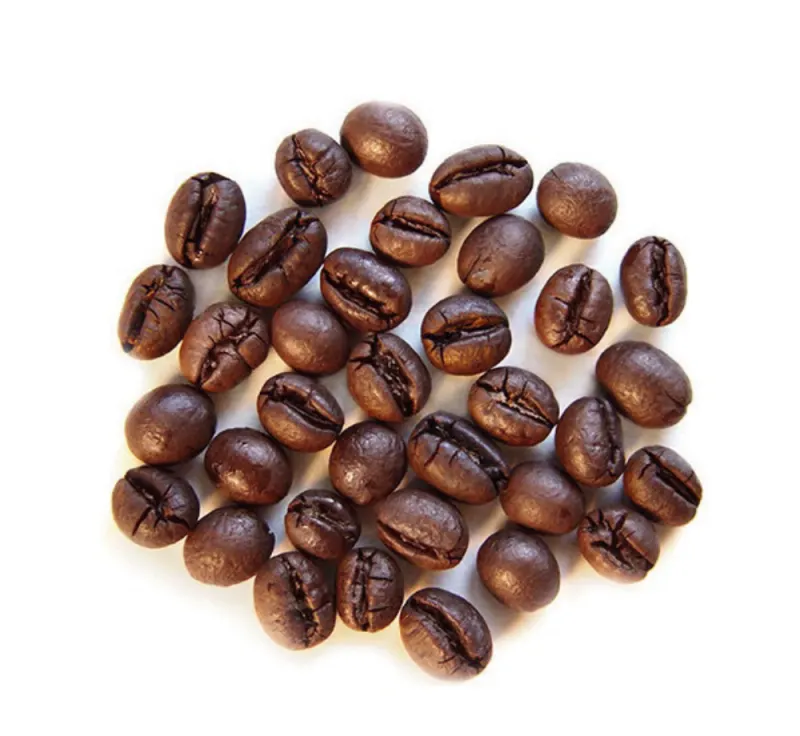
Light roasts are stopped soon after first crack and keep more of the origin's acidity and fruit or floral notes. Medium roasts balance sweetness, body and acidity. Dark roasts are taken into or past second crack, which brings out roasty, chocolate and smoky flavors and reduces acidity.
Yes. You can start with a pan, an oven or a hot-air popcorn popper, but a dedicated home roaster gives much better control over temperature and roast time, which makes results easier to repeat.
First crack is an audible popping sound, similar to popcorn, that happens as moisture and gases expand inside the bean. It marks the point where coffee becomes a light roast and is the main milestone roasters use to time a roast.
Freshly roasted coffee releases carbon dioxide for several days. Most filter coffee tastes best after resting about 2 to 7 days, and espresso roasts often benefit from 7 to 14 days.


Brew guides

Brew guides

Brew guides

Brew guides

Brew guides

Brew guides

Brew guides

Brew guides