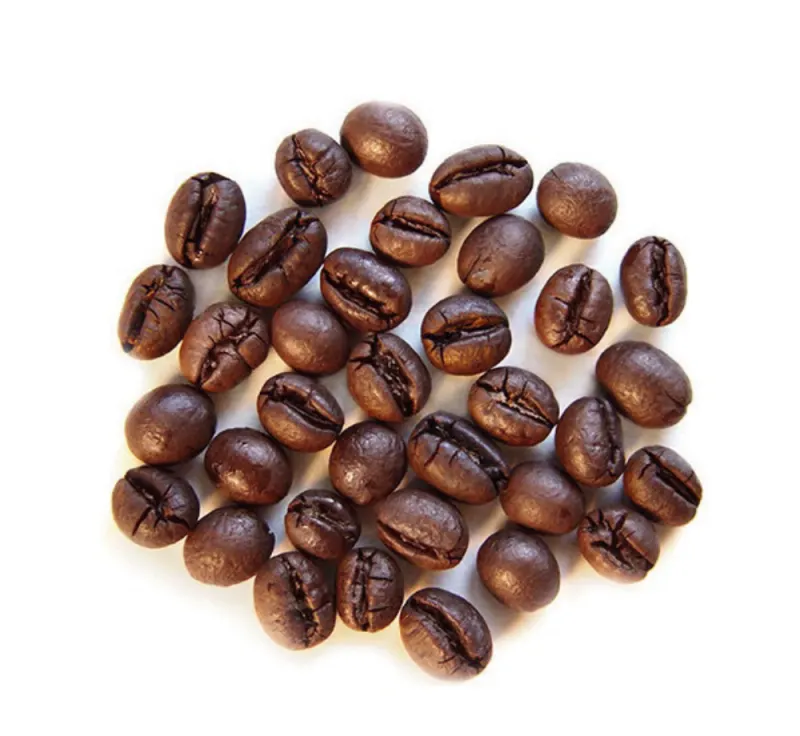
What Is Peaberry Coffee? Discover More About This Rare Coffee Bean
What is peaberry coffee? Learn how this rare round coffee bean forms, why it costs more, how it tastes, and whether peaberry coffee is worth trying.

Written from hands-on coffee experience and checked against our editorial standards. Editorial policy · Research sources
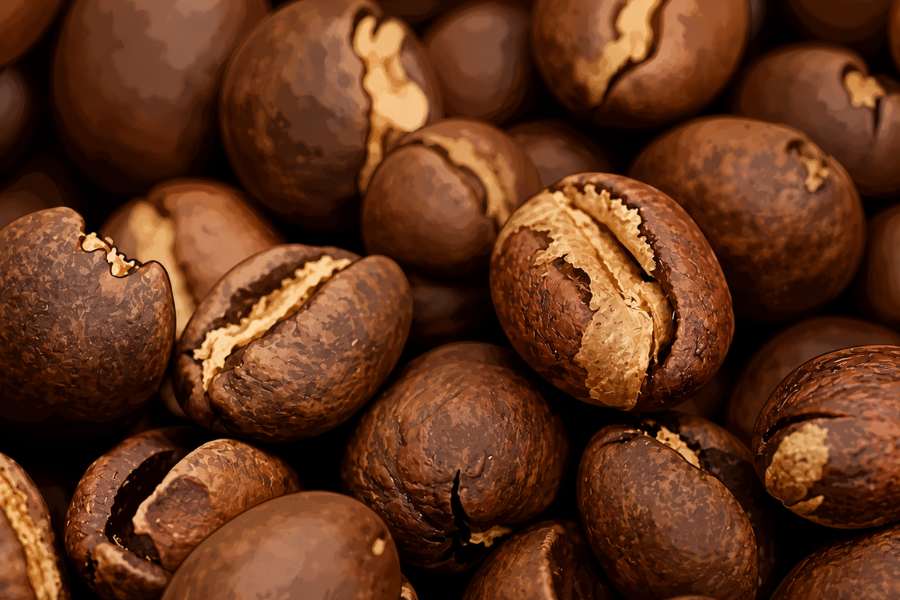
Most coffee cherries contain two beans. But occasionally, only one seed develops inside — and that bean is called a peaberry. It grows rounder and smaller than a regular flat bean, and it is sorted separately before roasting.
Peaberry coffee makes up roughly 4–5% of any harvest, which is why it tends to cost more and is often treated as a separate lot by many specialty roasters. This guide explains what peaberry is, how it forms, how it tastes, and whether it is worth trying.
- Peaberry coffee grows as a single seed inside the coffee cherry instead of the usual two.
- Because peaberries are rare and often hand-sorted, they usually cost more than regular coffee beans.
- Many coffee drinkers describe peaberry coffee as brighter, sweeter, and more concentrated in flavor.
Also known as caracol (Spanish for snail), this naturally occurring mutation in Arabica and Robusta coffee varieties grows with only one bean (aka seed) inside the coffee cherry instead of two.
So, what’s the deal with peaberry coffee? What makes it so sought-after by coffee lovers? Why has it generated so much buzz?
This post will tell you more about peaberry coffee, what makes it so unique, and why you should try it.
What Is Peaberry Coffee?
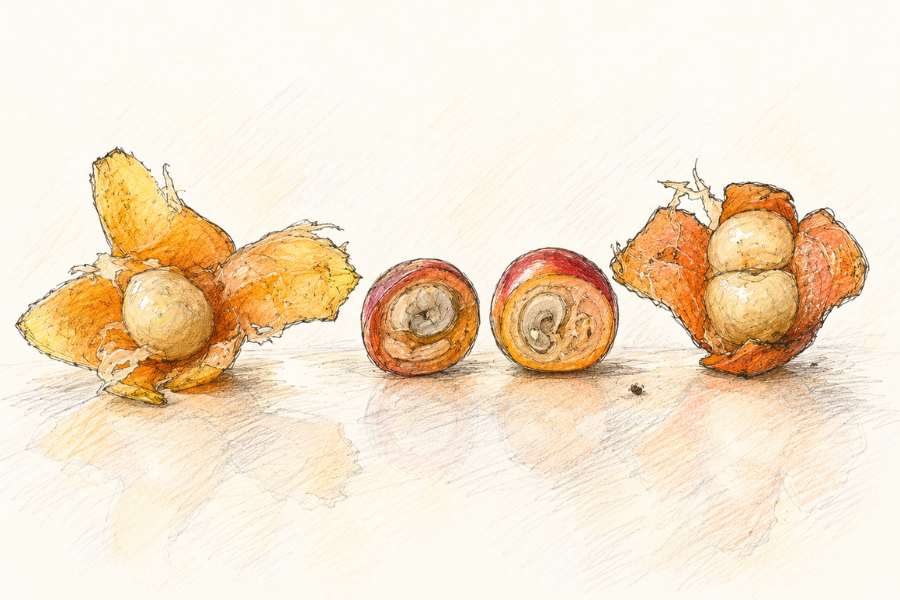
Peaberry is a coffee bean that develops as a single seed inside the coffee cherry.
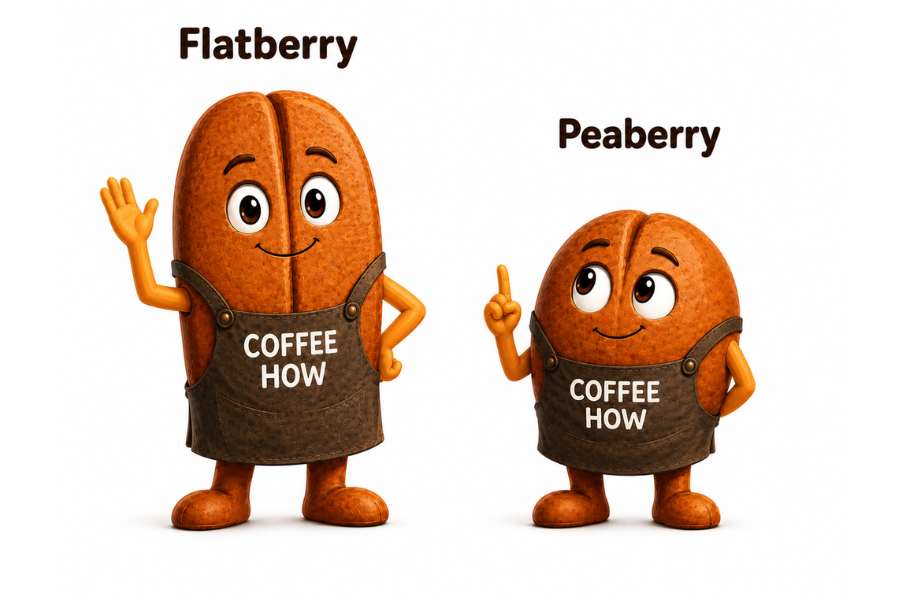
Most coffee cherries produce two seeds. Because they grow side by side, regular beans usually have one flat side and one rounded side.
Peaberry beans develop alone, so they are smaller, rounder, and more oval-shaped than regular flat bean varieties.
The size of the peaberry depends on the variety of the coffee bean — some types produce larger peaberries, and some make smaller ones.
What Makes Peaberry So Special?
So, what makes peaberry coffee so special?
First, peaberries are naturally rare. They appear in a small percentage of any harvest and need to be sorted separately from regular flat beans, which adds time, labor, and cost.
Because peaberry beans are smaller and rounder, they can roast differently from flat beans. Roasters usually handle them as a separate batch to get a more even result and bring out their best qualities.
What this means in the cup depends on the origin, variety, roast level, and brewing recipe — but many coffee drinkers do describe peaberry coffee as tasting brighter and more expressive than regular beans from the same region.
Why Coffee Drinkers Like Peaberry Coffee
It Offers a Different Taste Experience
Peaberry coffee can offer a slightly different taste experience from regular flatberry coffee, but the difference is not the same in every cup.
Like any coffee, the flavor depends on origin, variety, processing method, roast level, freshness, and brewing recipe. A peaberry from Ethiopia will not taste the same as a peaberry from Brazil or Tanzania.
What makes peaberry interesting is that these beans are naturally rare and usually sorted separately from regular beans. This gives roasters more control over how they roast them and gives coffee drinkers a chance to try a more unusual version of a familiar origin.
It Can Taste Brighter and More Concentrated
Many coffee drinkers describe peaberry coffee as brighter, sweeter, and more concentrated than regular coffee. However, peaberry is not automatically better just because of its shape.
Because peaberry beans are smaller and rounder, they can behave differently during roasting. Roasters often handle them separately to achieve a more even roast and bring out their best qualities.
When roasted well, peaberry coffee can taste clean, lively, sweet, and expressive. But the final flavor still depends much more on the coffee’s origin, processing, roast profile, and freshness than on the peaberry shape alone.
It Feels More Rare and Special
One of the main reasons people enjoy peaberry coffee is its rarity. Peaberries usually make up only a small percentage of a coffee harvest, so they are often separated, sorted, and sold as a special lot.
That extra sorting and limited availability can make peaberry coffee more expensive than regular beans from the same farm or region.
For many coffee lovers, peaberry coffee is worth trying not because it is guaranteed to be superior, but because it offers a fun way to explore how bean shape, sorting, origin, and roasting can influence the final cup.
Why Is Peaberry Coffee More Expensive?
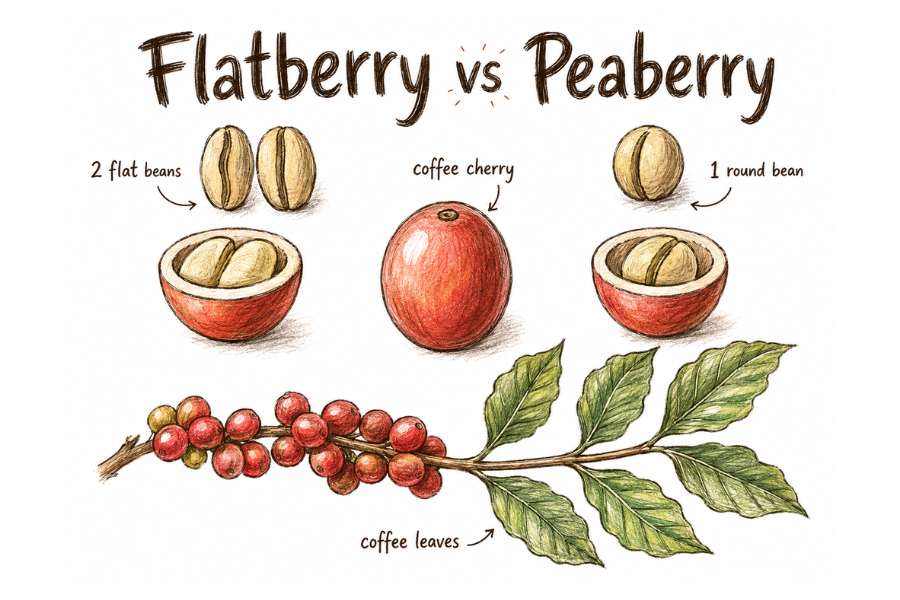
Peaberry coffee is usually more expensive because it is rare, limited in supply, and often requires extra sorting after harvest. Peaberries develop naturally as single seeds inside the coffee cherry, so they need to be separated from regular flatberry beans before they are roasted and sold as a separate lot.
Peaberries are not usually grown as a separate crop. They appear within a normal harvest and are identified later during processing or sorting. This extra handling requires time and labor, which is one reason peaberry coffee often costs more than regular beans from the same origin.
Because the final supply is smaller, peaberry coffee is often marketed as a special lot. Some coffee drinkers enjoy it for its bright, sweet, and concentrated flavor, but it is not automatically better than regular coffee. The final taste still depends on the origin, variety, processing method, roast level, and freshness.
If you enjoy lively, expressive coffee, peaberry is worth trying. Just make sure you are buying beans that are clearly labeled as peaberry. Regular flatberry beans usually have one flat side and one rounded side, while peaberry beans are smaller, rounder, and more oval-shaped.
Roasting Peaberry Beans
If you’re a coffee connoisseur, you know that roasting can make or break your cup of joe. To bring out the best in these beans, roasters need to account for their smaller, rounder shape.
First, roasters must sort peaberries from regular beans before roasting. Although coffee farmers do this post-harvest as standard, it still pays to check.
Because peaberry beans are rounder and more uniform in shape, they can heat more evenly than flat beans. Roasters often adjust their roast profile accordingly — monitoring development time carefully to avoid uneven results.
The right roast approach depends on the specific bean and its origin. This is one reason why buying peaberry from a roaster who handles it as a dedicated lot tends to produce better results than buying a generic blend.
Where to Buy Peaberry Coffee
So, now that you know more about peaberry coffee, you probably want to try it. The good news is that it’s not hard to find it!
You can find peaberry coffee from specialty roasters, green coffee sellers, and origin-focused coffee brands. Look for clear information about origin, roast date, processing method, and whether the beans are sold as a dedicated peaberry lot.

Just make sure that you buy from a roaster that has ethical sourcing practices and that roasts the beans after you place your order. There’s no point in paying a premium for peaberry if the beans have been sitting on a shelf for months.
Frequently Asked Questions
Peaberry coffee is more expensive than regular coffee because it is rare. After harvesting, peaberries are usually hand-sorted, roasted separately, and handled carefully to preserve their unique quality.
Not always — and not automatically. Many coffee drinkers describe peaberry coffee as brighter, sweeter, and more concentrated, but the final flavor depends on origin, processing, roast level, and freshness. Peaberry from a well-sourced, carefully roasted lot can be excellent, but the bean shape alone does not guarantee a better cup.
Not necessarily. Caffeine content depends primarily on the coffee variety, origin, and processing method — not on whether the bean is a peaberry or a regular flat bean. Some peaberry lots may test slightly higher in caffeine, but this reflects the origin more than the bean shape itself.
Kona peaberries comprise only 3–5% of all Kona coffee crops. They take longer to mature and produce fewer yields per plant than their flat-side counterparts.
Final Thoughts: What Is Peaberry Coffee?
I hope this answers the question “What is peaberry coffee?” for you.
Peaberry coffee is worth trying if you enjoy exploring how sorting, bean shape, and roasting influence what ends up in your cup. It is not an everyday staple for most people, but every now and then it’s fun to try something a little different — and peaberry is a great way to do that.
Choose from these reviews of the best Kona coffee beans, and you’ll have an idea of one region that produces peaberries. That way, you can give this rare bean a test spin.
Published · Last updated