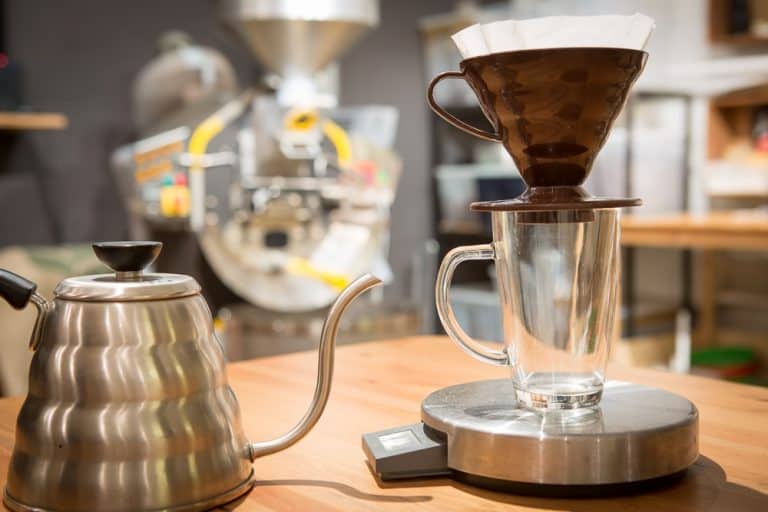
Five Elephant Kelloo Lalesa review: a washed Ethiopian for pour over
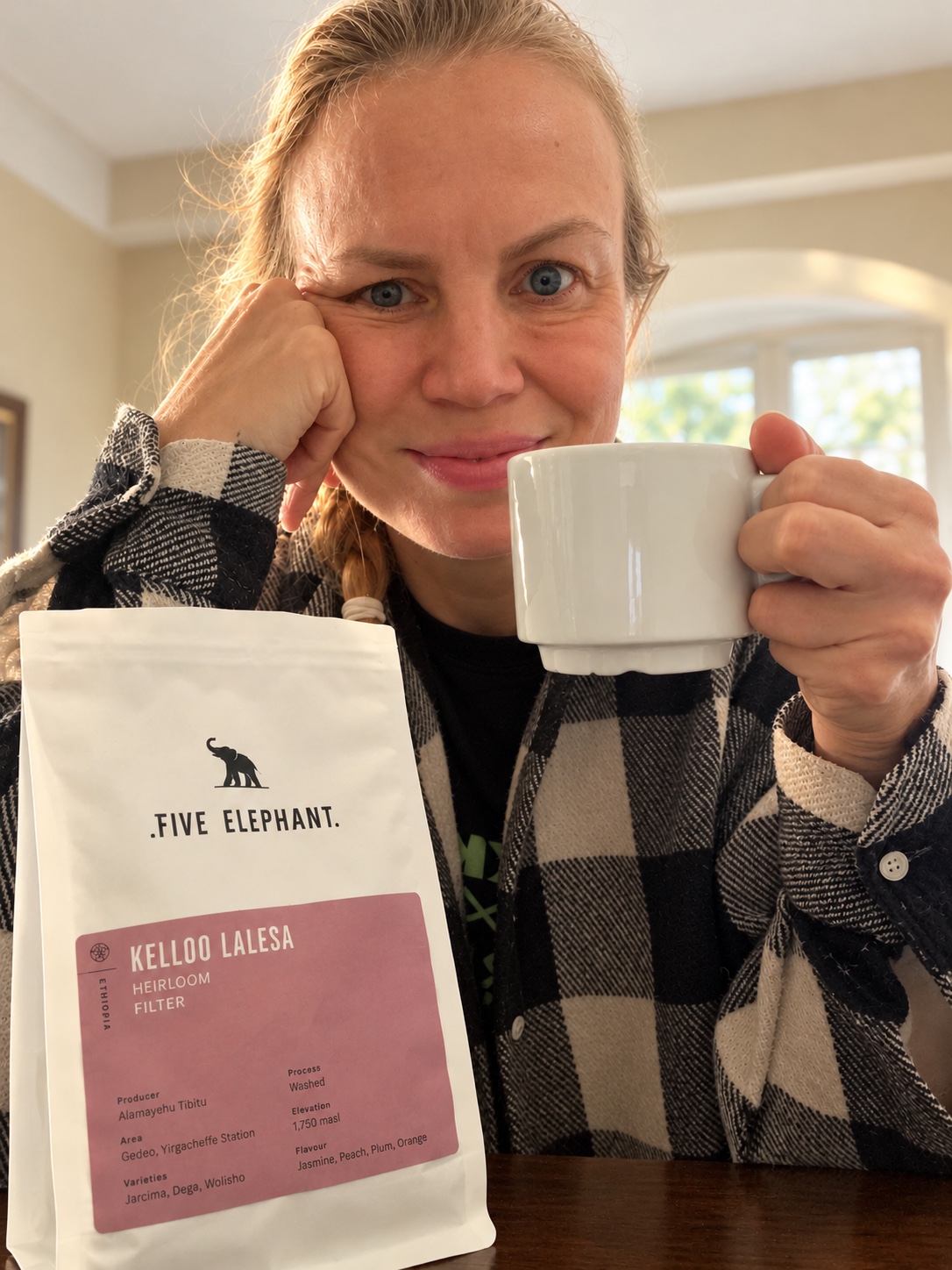
Five Elephant's Ethiopia Kelloo Lalesa on a V60: citrus, jasmine tea and orange cream with juicy acidity. My recipe, where I bought it in Rome, the roaster.

Written from hands-on coffee experience and checked against our editorial standards. Editorial policy · Research sources
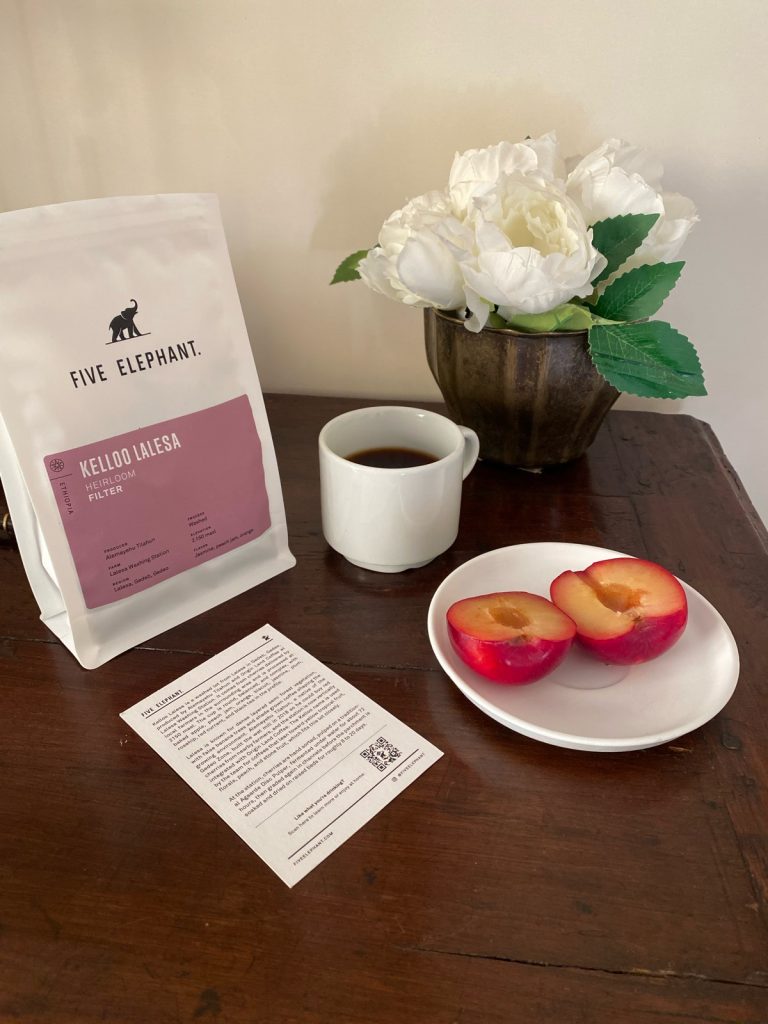
Ethiopia Kelloo Lalesa is a washed coffee from Lalesa in Gedeb, in Ethiopia’s Gedeo zone, roasted for filter by Five Elephant in Berlin. In the cup it’s fresh citrus, jasmine tea with lemongrass, caramel and orange cream ice cream, with bright, juicy berry acidity, a smooth, medium body and a long, sweet finish. I loved it: it’s exactly the kind of coffee I like, clear and classic for a washed Ethiopian. The catch for readers outside Germany is shipping from Berlin, which Five Elephant only prices at checkout.
This is part of a series on the coffees I drink in Rome: bags I buy in the city’s cafés or order online here.
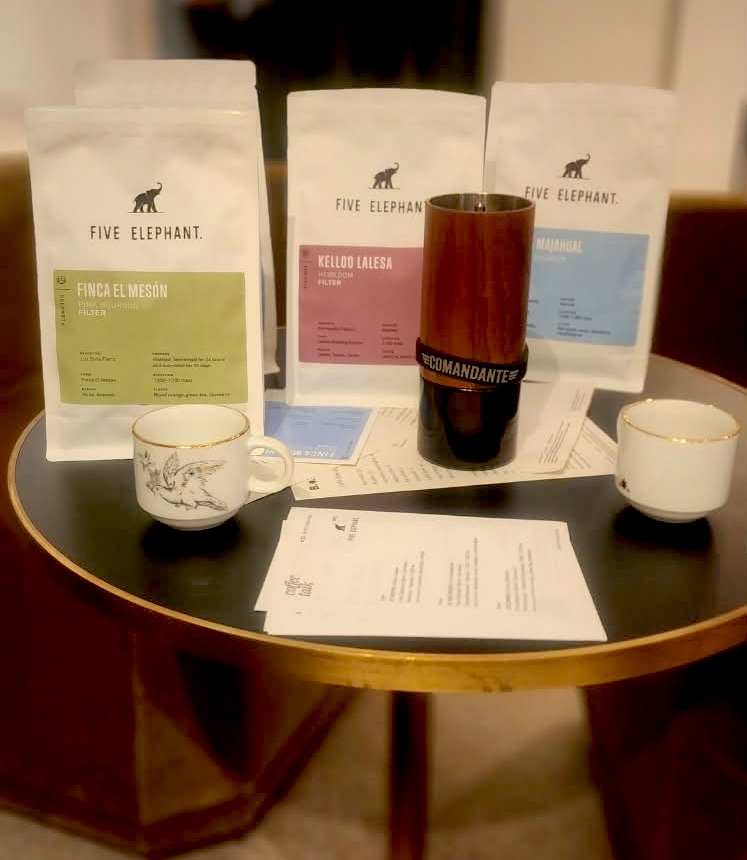
How this review was done: I discovered Five Elephant in October 2026 at Bar della Cometa in Rome. The coffee from this German roaster was presented by Jonny. He’s originally from California, lives in Rome, consults on hospitality branding, worked on the branding of Bar della Cometa and calls himself a home barista. About once a month he hosts Coffee Talk with Jonny, a get-together for coffee lovers. It’s a great chance to learn more about different roasters.
This time there were three Five Elephant coffees. Jonny brewed them on a V60: in the words of his announcement, “a delicious El Salvador Natural, a cool Washed Ethiopia and an extra special Colombia Orange Bourbon with washed fermentation process”. They had been roasted about a week before the event. The one I took home was the Ethiopia, Kelloo Lalesa. Everything below comes from brewing it at home on my V60. All the photos are my own.
Bar della Cometa is a specialty café inside the Teatro della Cometa, a theatre that first opened in 1958 across from the Capitoline Hill. Fashion designer Maria Grazia Chiuri and her children financed its restoration, The Italy Edit reports. The bar’s everyday coffee comes from Picapau, a roaster in Ostia Antica, and the croissants from the bakery Le Levain, according to Corriere dello Spettacolo.
- Coffee: Ethiopia Kelloo Lalesa, Five Elephant (Berlin), roasted for filter.
- Origin: Alemayehu Tilahun and Origin Land Coffee, Lalesa washing station, Gedeb, Gedeo. 2,150 m (7,054 ft). Ethiopian heirloom varieties. Washed.
- Tastes like: fresh citrus, jasmine tea with lemongrass, caramel, orange cream ice cream. Bright, juicy berry acidity, pronounced sweetness, smooth medium body, long finish.
- Recipe: V60, 16 g coffee to 250 g water (1:15.6), 92 °C (198 °F), Comandante C40 MK3 at 26 clicks, 2:30–2:40 total.
- Price: €20.50 for 250 g, €70.90 for 1 kg on Five Elephant’s site (November 2026); I paid €22 at a tasting in Rome. Shipping from Berlin is calculated at checkout; free within mainland Germany over €39.
Pros
- Juicy berry acidity and pronounced sweetness that lasts into a long finish
- Clear traceability: producer, washing station, region and altitude on the label
- A card in the bag tells the full lot story, down to the fermentation time
Cons
- Shipping costs outside Germany are only shown at checkout
- A single seasonal lot, so it won’t be on sale year-round
Who should buy Kelloo Lalesa, and who shouldn’t
Buy it if you brew pour over and like clear, classic washed Ethiopians. It also suits anyone who wants to know how a coffee was processed, step by step.
Skip it if you mostly drink espresso or milk drinks. This is a filter roast, and Five Elephant says it roasts on the light side. It also won’t suit you if you don’t like coffee with bright acidity. Our best coffee beans list has other picks.
How I brewed it: my V60 recipe
I brewed Kelloo Lalesa with my favorite V60 recipe: 16 g of coffee to 250 g of water, a ratio of about 1:15.6. That’s at the stronger end of the 1:15 to 1:17 range in our pour over guide, where the cup is fuller and stronger.
- Brewer: Hario V60.
- Grinder: Comandante C40 MK3 at 26 clicks, counted from zero (burrs touching). That’s two clicks coarser than my usual 24: with this coffee it gave me a more balanced cup.
- Water: 92 °C (198 °F).
- Total time: 2:30–2:40, including drawdown.
| Time | Pour | Scale reads | How |
|---|---|---|---|
| 0:00–0:10 | 50 g | 50 g | Bloom: wet all the grounds |
| 0:30–0:45 | 100 g | 150 g | Fast, high pour with lots of turbulence |
| 1:00–1:30 | 100 g | 250 g | Slow, gentle pour |
| 2:30–2:40 | – | 250 g | Drawdown finished |
The bloom is about three times the coffee’s weight, enough to soak every particle so the gas from roasting can escape. The second pour is fast and turbulent to stir the bed; the last is slow so the bed settles flat and drains evenly. If your brew runs well past 2:40, go one or two clicks coarser; if it finishes before 2:30, go one or two finer.
Our coffee-to-water ratio calculator scales the recipe up for two cups.
How Kelloo Lalesa tastes
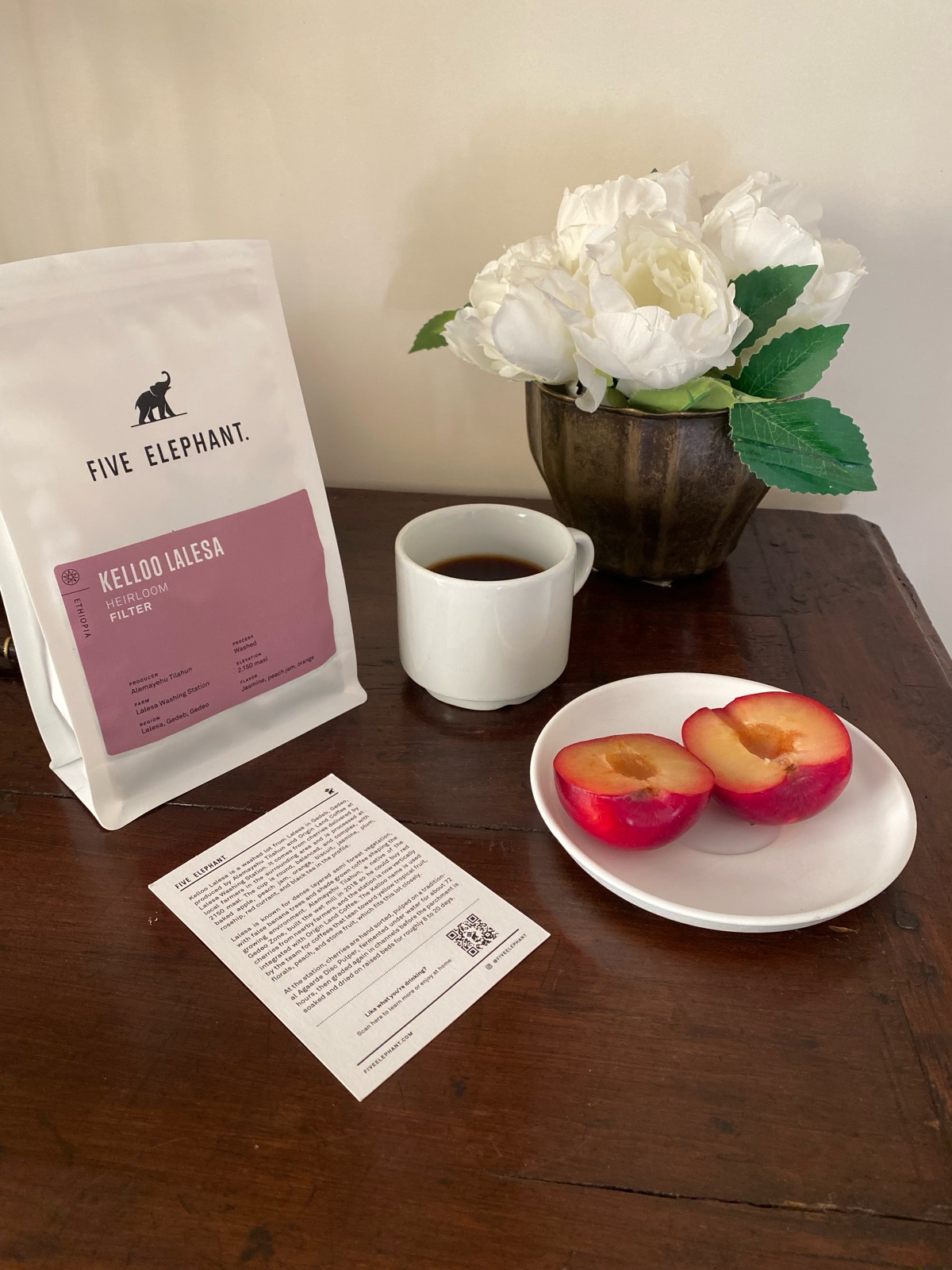
Kelloo Lalesa tastes of fresh citrus fruit and jasmine tea with lemongrass. The acidity is bright, juicy and berry-like. It’s a juicy lot, with notes of fruit, caramel and orange cream ice cream, and the sweetness is pronounced: it carries smoothly into a long finish. The body is medium and smooth. I really liked it. This is the kind of coffee I love: clear, and classic for a washed Ethiopian. A ripe plum makes a good pairing with it, I think: a plum is sweet with bright acidity too.
| Aroma and flavor | Fresh citrus, jasmine tea with lemongrass, fruit, caramel, orange cream ice cream |
| Acidity | Bright, juicy, berry-like |
| Sweetness | Pronounced |
| Body | Medium, smooth |
| Finish | Long and sweet |
Five Elephant prints jasmine, peach jam and orange on the label. The longer description on its site adds baked apple, biscuit, plum, rosehip, red currant and black tea, and calls the cup “round, balanced, and complex”.
The bag and the lot card
Kelloo Lalesa comes in a white stand-up pouch with a pink label. The label lists the producer, washing station, region, process, elevation and three flavor notes. A separate card in the bag tells the story of the lot and has a QR code to Five Elephant’s site. The pouch itself is a standard coffee bag with a one-way valve. What I liked was the card: it’s nice to get a description of the lot and where it comes from along with the coffee.
About the roaster: Five Elephant, Berlin
Five Elephant opened its first café in December 2010, on a quiet dead-end street in Kreuzberg. According to the roaster’s own story of that café, the founders roasted the coffee in the back, baked the cakes from scratch and built a drip bar from Hario V60s and welded copper pipes. Sophie and Kris Schackman run the company today.
Filter coffee was the point from the start: Five Elephant calls it “the clearest way” to show varietal, terroir and processing. The cheesecake came a year later, in 2011, from a family recipe; Five Elephant still calls it the soul of the Kreuzberg café.
In its roasting philosophy, Five Elephant says it roasts “on the light side” and leans toward the Nordic style. The reasoning: its team drinks filter coffee black, without milk or sugar, and wants to taste the bean before a generic roast flavor covers it. Each new coffee gets several test roasts before the production profile is set.
Today there are four Five Elephant cafés in Berlin: Kreuzberg, Mitte, Kollwitz and Schwedter, the last one focused on pour overs and guided tastings. The roastery also runs a wholesale program and a coffee subscription. On sourcing, Five Elephant says it pays on average more than twice per kilo what Fair Trade exporters pay, and tries to buy from the same producers year after year. I haven’t been to Berlin yet; Five Elephant Mitte is on my Berlin café wishlist.
Where the coffee comes from: Lalesa, Gedeb
Five Elephant publishes the lot story on its Kelloo Lalesa page and prints the same text on the card in the bag. Everything in this section comes from Five Elephant.
The washing station: Lalesa
Alemayehu Tilahun, who comes from the Gedeo zone, built the Lalesa wet mill in 2018 so he could buy ripe red cherries from farmers nearby. A wet mill, or washing station, is where freshly picked cherries are pulped, fermented and dried. The station now works directly with the exporter Origin Land Coffee, from cherry to export.
The lot is made from cherries delivered by farmers in the surrounding area and processed at 2,150 m (7,054 ft). Lalesa is known for dense, layered semi-forest, where coffee grows in the shade of false banana trees and other plants.
The name: Kelloo
Kelloo isn’t a place. The team at Lalesa uses the name for lots that lean toward yellow tropical fruit, florals, peach and stone fruit. Five Elephant’s shop lists the coffee as “Kello Lalesa”; the bag and the card spell it Kelloo.
The process: washed, 72 hours under water
Washed process means the fruit is removed before the beans dry. At Lalesa the cherries are sorted by hand, then pulped on a traditional Agaarde disc pulper, a machine that strips the skin and most of the fruit. The beans ferment under water for about 72 hours, which loosens the last sticky layer, and are graded again in water channels.
The parchment, the bean still in its papery husk, is then soaked and dried on raised beds for roughly 8 to 20 days. Raised beds are mesh tables that let air reach the beans from all sides.
Our Ethiopian coffee guide covers Gedeo, Guji and the country’s other growing regions.
Price and where to buy
Five Elephant sells Kelloo Lalesa on its own site at €20.50 for 250 g (8.8 oz), or €70.90 for 1 kg (2.2 lb), checked in November 2026. It ships worldwide except to Russia, Iran and Saudi Arabia, by DHL (cheaper, slower) or FedEx (faster, more expensive). Shipping depends on the country and the weight of the order and is calculated at checkout. Orders over €39 ship free within mainland Germany.
In Italy, Jonny’s online shop, The Coffee Boutique for Home Baristas, lists Five Elephant among its roasters and ships across Italy for €2, free over €100. I paid €22 for a 250 g bag at the tasting.
Kelloo Lalesa at a glance
| Roaster | Five Elephant, Berlin |
| Coffee | Ethiopia Kelloo Lalesa |
| Producer | Alemayehu Tilahun, Origin Land Coffee |
| Washing station | Lalesa |
| Region | Lalesa, Gedeb, Gedeo, Ethiopia |
| Altitude | 2,150 m (7,054 ft) |
| Varieties | Ethiopian heirloom |
| Process | Washed, about 72 hours’ underwater fermentation |
| Roast | Filter |
| Roaster’s notes | Jasmine, peach jam, orange |
| My notes | Fresh citrus, jasmine tea with lemongrass, caramel, orange cream ice cream |
| Bag sizes | 250 g (8.8 oz), 1 kg (2.2 lb) |
FAQ
Fresh citrus and jasmine tea with lemongrass, with notes of fruit, caramel and orange cream ice cream. The acidity is bright, juicy and berry-like, the body medium and smooth, and the sweetness carries into a long finish. Five Elephant’s label lists jasmine, peach jam and orange.
My favorite V60 recipe: 16 g of coffee to 250 g of water at 92 °C (198 °F), ground at 26 clicks on a Comandante C40 MK3. Bloom with 50 g, pour 100 g fast at 0:30, then 100 g slowly at 1:00. Total time 2:30–2:40.
It’s roasted for filter, and Five Elephant says it roasts on the light side, so it suits pour over and other filter methods better. Five Elephant sells espresso roasts separately.
The fruit is removed from the coffee cherry before the beans dry. Washed coffees usually taste cleaner and brighter than natural ones, which dry inside the whole cherry.
Five Elephant is a Berlin roaster that opened its first café in Kreuzberg in December 2010. Sophie and Kris Schackman run it today. It has four cafés in Berlin and roasts on the light side, with filter coffee in mind.
Yes, worldwide except to Russia, Iran and Saudi Arabia, by DHL or FedEx. Shipping costs depend on the country and the weight and are shown at checkout. Orders over €39 ship free within mainland Germany.
I bought my bag for €22 at a Five Elephant tasting at Bar della Cometa. Jonny’s online shop, The Coffee Boutique for Home Baristas, lists Five Elephant among its roasters and ships across Italy.
Sources
- Five Elephant, Ethiopia Kello Lalesa – Filter (lot details, producer, process, prices), checked November 2026.
- Five Elephant, Five Elephant Kreuzberg: Returning to Where It All Began, May 2025.
- Five Elephant, Our coffee roasting philosophy.
- Five Elephant, FAQ (shipping, sourcing) and Our cafés, checked November 2026.
- Livia Hengel, Annie Ojile, The Best New Restaurants In Rome 2026, The Italy Edit, January 2026.
- Sara Nicoletti, Bar della Cometa, Corriere dello Spettacolo, February 2026.
- JONNY, About Jonny and shop, checked November 2026.
How we work: how we test · editorial policy · research & sources.
Published