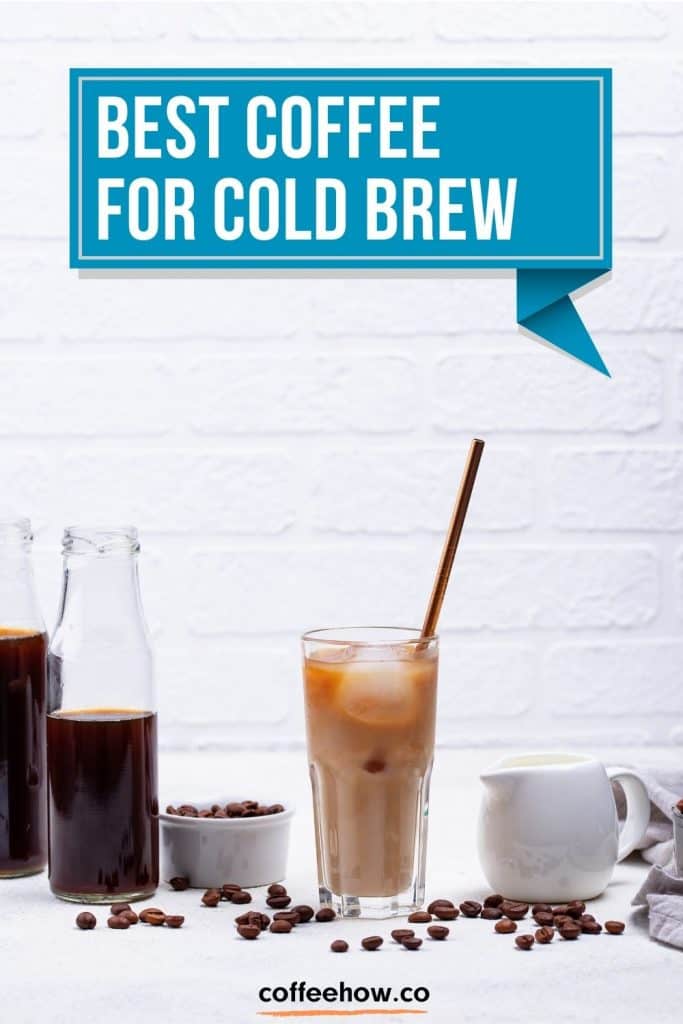
fbq('trackCustom', 'view_shop_coffee'); var trackEvent = 'shop_coffee'; figure.wp-block-image.size-full.is-mobile-50p { box-shadow: none!important; } Coffee is the most…

I was excited when my local coffee drive-through started selling cold brew. But then I took my first sip.
It was awful. Why? It came from a can! While I’m sure plenty of coffee shops brew their own cold brew and serve it fresh, that experience turned me off to the whole trend.
Then I learned how incredibly easy (and cheap) it is to make cold brew at home. This article is the result of our search for the best coffee for cold brew. If you keep a few simple things in mind, you too can make delightful cold brew at home.

Below you’ll find reviews of our top 10 best coffee beans for cold brew. Some are specially blended and pre-ground, while others are simply coffees well-suited to the method. Most are medium roast, with three dark roast options.

Lifeboost Coffee positions itself as a health-focused coffee brand with an emphasis on clean sourcing and gentle digestion. All beans are USDA Organic, non-GMO, and grown without pesticides. What sets them apart is third-party lab testing for mycotoxins, a step not all coffee brands take but one that adds an extra layer of quality control. The coffee is also naturally low-acid, which makes it a suitable option for those with a sensitive stomach. If you are exploring options in this category, see our full guide to low acid coffee. When brewed as cold brew, the perceived acidity drops even further, resulting in a smoother, more balanced cup.
One of the more unusual aspects of Lifeboost is the addition of a probiotic blend. According to the brand, this formula is designed to survive stomach acid and reach the gut. Some research suggests that probiotics may support gut health, help regulate inflammation, and contribute to immune system function based on clinical evidence. At the same time, the actual impact depends on the individual, and this should not be viewed as a guaranteed effect.
The coffee itself is shade-grown at higher elevations in Central America, a growing approach often associated with slower cherry development and denser beans. In the cup, it leans toward a bold profile with a clean finish and low bitterness. This version comes pre-ground at an extra coarse setting, which works well for cold brew preparation. Just add water, steep, and strain.
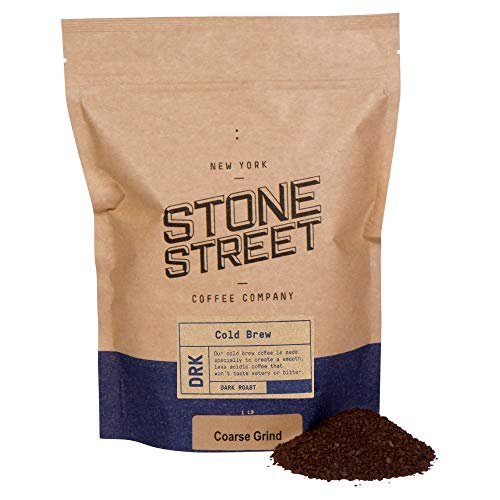
Stone Street Cold Brew Reserve is a 100% Arabica Colombian Supremo, a profile known for its bold body and layered fruit notes. The coffee is roasted by Stone Street Coffee, a Brooklyn-based roaster that emphasizes consistent sourcing and long-term relationships with producers. Their partnership with Sweet Unity Farms reflects a focus on responsible and transparent supply chains, which adds context to the cup beyond just flavor.
This particular lot is roasted dark, which may sound limiting if you usually avoid darker profiles. In cold brew, however, darker roasts tend to perform differently. The extended extraction at lower temperatures reduces perceived bitterness and highlights sweetness, resulting in a smoother and more rounded cup. If you want to explore how different beans behave in this format, see our guide to cold brew coffee. In the cup, expect a balanced profile with notes of chocolate and caramel, supported by a full body and low acidity.
The coffee is available as a whole bean or pre-ground. The ground option comes in an extra coarse grind, which is well-suited for cold brew and helps prevent over-extraction during long steep times. Preparation is straightforward. Add water, let it steep, and strain for a consistent result at home.
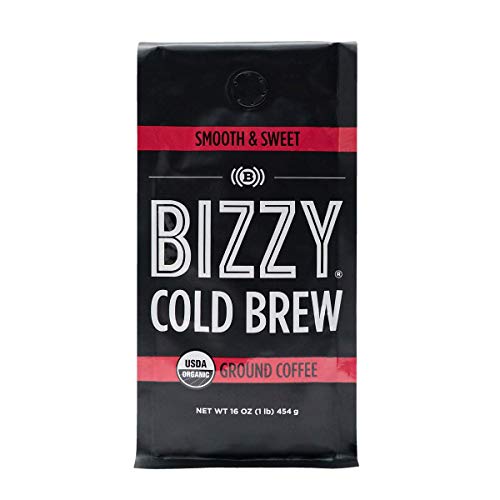
Bizzy Coffee focuses entirely on cold brew, building its product line around one brewing method rather than a wide range of formats. The company started in Minneapolis with a simple approach and has continued to refine its process with an emphasis on consistency and ease of use.
Beyond the product itself, Bizzy highlights its sourcing and sustainability practices. The coffee is ethically sourced from Central and South America and is certified organic and non-GMO. Packaging is designed to be BPA-free and recyclable, reflecting a broader focus on environmental impact.
While most of their offerings are suitable for cold brew, the Smooth and Sweet blend is a representative option. This medium roast combines 100% arabica beans from Guatemala, Peru, and Nicaragua. In the cup, it delivers a balanced profile with low acidity, leaning toward caramel sweetness and hazelnut notes. The result is a smooth and approachable cold brew without sharp edges.
For preparation, Bizzy offers multiple formats. The coffee is available pre-ground for standard cold brew setups, and the grind size works well for immersion brewing. For added convenience, the brand also offers pitcher packs. Place a pack in water, let it steep, then remove it when ready. There is also a pre-brewed concentrate available in 32-ounce bottles, designed for quick preparation without the need for steeping.
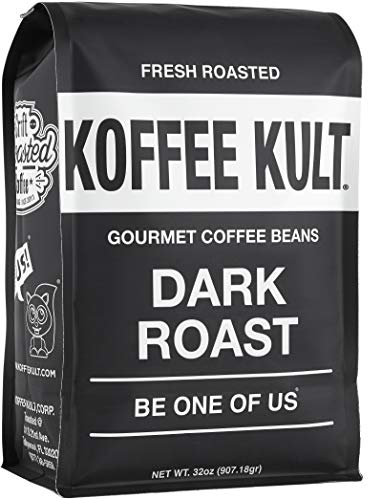
Koffee Kult is a small, family-owned roaster founded in 2010, focused on sourcing quality beans and roasting in small batches. The company works with both single-origin coffees and blends, with an emphasis on consistency and freshness across its lineup.
Alongside sourcing, Koffee Kult highlights its approach to working with producers. The company partners with farms that support fair compensation practices, including direct and equitable pay for women, and prioritizes environmentally responsible growing methods. This adds a layer of transparency to how the coffee is produced.
This particular blend combines beans from Colombia, Guatemala, Brazil, and Sumatra, bringing together different regional profiles into a bold, full-bodied cup. The roast level is dark, which emphasizes body and depth while maintaining a smooth texture. In the cup, expect a strong profile with a heavy body, balanced by a clean finish. Flavor notes lean toward cinnamon and cocoa, with a rounded, structured feel.
Koffee Kult offers this coffee as a whole bean only, which gives more control over grind size and extraction depending on your brewing method.
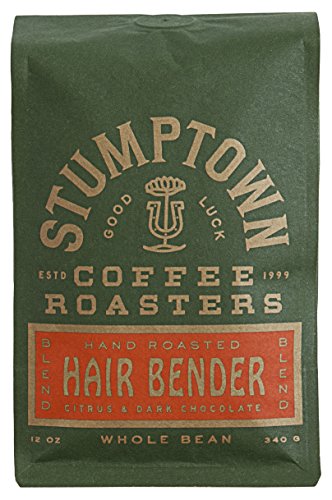
Stumptown Coffee Roasters built its reputation around quality sourcing and a strong identity within specialty coffee. The name “Hair Bender” does not refer to caffeine strength. It comes from the company’s early days, when the founders took over a former salon and kept the original sign as inspiration for their first blend.
Hair Bender is a medium roast designed to balance clarity and complexity. The blend brings together coffees from Indonesia, Latin America, and Africa, combining different regional characteristics into a consistent profile. In the cup, expect a clean structure with layered notes of citrus and dark chocolate, supported by a natural sweetness and a smooth, balanced body.
Stumptown was one of the early adopters of the Direct Trade model, focusing on long-term relationships with producers and greater transparency in sourcing. This approach is closely tied to the company’s sustainability efforts and quality control standards.
The coffee is available pre-ground, but in a standard grind size. For better control over extraction and freshness, whole bean is the more flexible option, especially if you plan to adjust grind size for different brewing methods.

Coffee Bros. focuses on sourcing micro-lot coffees with attention to quality at every stage, from green bean selection to final delivery. The company ships green coffee in GrainPro bags, which are designed to protect beans from moisture, oxygen, and external odors during transport. This approach helps preserve the original characteristics of the coffee before roasting.
As part of its broader philosophy, Coffee Bros. emphasizes ethical sourcing and environmental responsibility. The company supports sustainability initiatives and contributes 1% of its revenue to One Tree Planted, an organization focused on global reforestation efforts.
This blend combines beans from Ethiopia and Brazil, two regions known for distinct but complementary flavor profiles. The coffees are naturally processed, a method that typically enhances sweetness and fruit-forward characteristics. Varieties include Ethiopian Heirloom, Yellow Catuai, and Red Catuai. The roast level is medium, which keeps the cup balanced and accessible. Expect a smooth profile with notes of dark chocolate, berry, and brown sugar.
Coffee Bros. roasts each batch to order, which supports better freshness compared to large-scale production cycles. For brewing, this coffee adapts well to multiple methods, but its sweetness and clarity also make it a strong candidate for cold brew preparation.
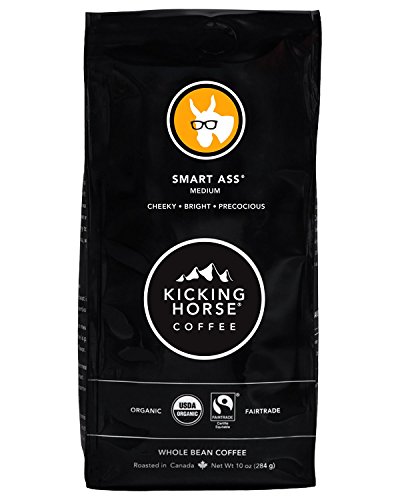
Kicking Horse Coffee was founded over two decades ago in the Canadian Rockies and has built a reputation around organic sourcing and a distinct brand identity. The company works exclusively with 100% certified Organic and Fairtrade Arabica beans. The coffee is also kosher and shade-grown, which is often associated with slower cherry development and more complex flavor characteristics.
The brand is known for its playful tone, which carries through to the packaging and product names. The Smart Ass blend is described as bright and expressive, which aligns with its flavor profile rather than just marketing language.
This blend brings together beans from Africa, Central America, and South America, creating a layered and balanced cup. The roast level is medium, which helps retain both sweetness and clarity. On the aroma, expect notes of sweet syrup, vanilla bean, and stone fruit. In the cup, the profile leans toward tart red currant, supported by sugar cane sweetness and milk chocolate. The body is smooth with a honeyed berry character that adds depth without heaviness.
For brewing, this coffee performs well across methods, but its balance and fruit-forward notes also translate cleanly in immersion styles such as cold brew.
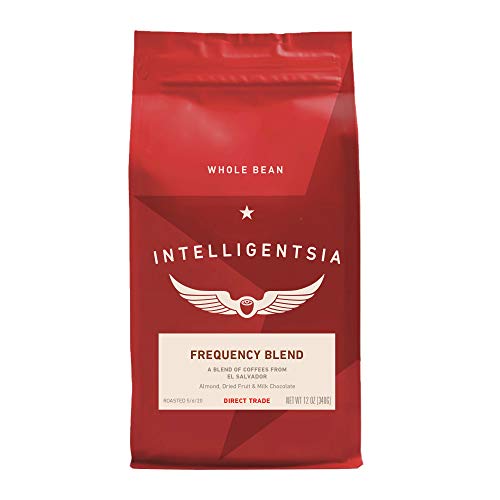
Intelligentsia Coffee traces its origins to Chicago in 1995 and is widely associated with early adoption of direct trade sourcing. The company works closely with producers, traveling to the origin and building long-term relationships with coffee growers. This approach focuses on transparency, quality control, and paying sustainable prices at the farm level.
Frequency Blend brings together coffees from Brazil and Guatemala, combining regional characteristics into a consistent everyday profile. Varieties include Bourbon, Catimor, Caturra, and Catuai. The blend may shift slightly throughout the year to reflect seasonal harvests and peak cherry quality, but the target cup profile remains stable.
In the cup, the coffee leans toward a balanced and approachable profile. Expect notes of almond, dried fruit, and milk chocolate, with a subtle molasses sweetness adding depth. The roast level is medium, which helps preserve clarity while maintaining a smooth body. If you want to explore how similar profiles behave in immersion methods, see our guide to cold brew coffee.
Frequency Blend is available as a whole bean or in multiple grind options, including a coarse grind suitable for cold brew. As with the rest of the lineup, the coffee is sourced under Intelligentsia’s Direct Trade model, which emphasizes quality and traceability from farm to cup.

Cooper’s Cask Coffee was founded with a focus on barrel-aged coffee, a niche approach that builds flavor through post-processing rather than origin alone. Barrel aging involves resting green or roasted coffee in used whiskey, rum, or wine barrels, allowing the beans to absorb subtle aromatic compounds from the wood and previous contents.
It is important to distinguish aged coffee from stale coffee. Proper barrel aging is a controlled process that enhances complexity rather than degrading quality. Depending on the type of cask used, the resulting cup can show noticeable differences in aroma and flavor. You can taste the difference between coffees aged in whiskey, wine, or rum barrels.
Quality control remains a core part of the company’s process. Each lot is cupped before release to ensure it meets internal standards for balance and clarity.
In addition to barrel-aged offerings, Cooper’s has expanded into single-origin coffees. This Organic Peruvian lot is developed with cold brew in mind. The roast level is medium, which helps maintain structure while allowing sweetness to come through. In the cup, expect a balanced profile with notes of caramel, cherry, and orange. The coffee is available as a whole bean or in a coarse grind, making it suitable for most cold brew setups.

Death Wish Coffee is positioned around one core idea, delivering a high caffeine coffee without sacrificing drinkability. The blend includes both arabica and robusta beans, with robusta contributing a naturally higher caffeine content. While robusta is often associated with harsher flavors, its profile can vary significantly depending on growing conditions and processing, and in some cases can deliver a more balanced cup than expected.
The beans are sourced from regions including India and Peru. The roast level is dark, but the approach focuses on maintaining flavor clarity alongside strength. According to the brand, the roasting process is designed to preserve caffeine while avoiding excessive bitterness, which is often a concern with darker profiles.
In the cup, the coffee leans toward a bold and full-bodied profile. Expect notes of cherry and chocolate, with a smooth finish that keeps it approachable despite its intensity. For those exploring stronger profiles in immersion methods, see our guide to cold brew coffee.
Death Wish Coffee is both Fair Trade and USDA Organic certified, reflecting a focus on sourcing standards alongside its emphasis on strength and flavor.
Cold brew coffee is simply coffee made with cold water instead of hot water.
This may seem like a trivial difference. But this method completely changes which elements you extract from the bean.
The difference between hot and cold-brewed coffee is similar to the difference between sun tea and traditionally brewed iced tea. Cold brewing produces a smoother, sweeter coffee, just as it does with tea.
The hot water extracts certain flavor compounds that cold water can’t. The extraction difference can be good or bad. You lose the light, fruity tones. This is also referred to as brightness. But you also lose the bitterness. You’ll have a deeper, richer brew. Cold brew has a heavier mouthfeel and a fuller body. Cold brew also highlights the nutty, chocolate, and spice notes.
Time. It takes a lot of time.
While hot water extracts the desirable qualities in a matter of seconds or minutes, it takes many hours to properly get a cold brew coffee. The colder the water, the longer the brew time. When brewed in the refrigerator, you’ll want to leave it for about 20 to 24 hours. You can cut the time almost in half when brewed at room temperature.
The easiest way to make cold brew coffee is to throw some coffee grinds in a container, add water, and let it sit. After it brews, you need to filter the coffee. We’ll detail this method later. Many coffee companies offer their cold brew coffee grounds in a pouch or packet. That way, you don’t have to worry about filtering the coffee. Just pull out the pouch, and you’re done.
You can also brew the coffee in a French press. After the proper brew time, gently press the plunger down. Then pour the coffee into a container so it doesn’t over-extract.
You can also use a slow-drip method for cold brew. Some may refer to this as a Japanese method. You typically need a drip tower, which is a rather large, extravagant contraption. Water is suspended above the coffee grinds and drips out slowly. The water picks up the flavor as it passes through the grounds, then eventually drips out the bottom into a carafe. Proponents say this delivers a fuller cup of coffee, but it does require an investment, and you need substantial counter space.
Some electric coffee makers have a cold brew setting. These use warm water instead of hot. This method holds the grounds and warm water in the brew basket. After 10 to 15 minutes, you release the brewed coffee into a carafe. While it’s not a true cold brew, it does provide many of the qualities that draw coffee lovers to cold-brewed coffee.

Not every coffee is suited for the cold brew method.
Some coffees that do well when hot brewed may not be the best coffee beans for cold brew. In this section, we’ll go over basic principles when choosing a coffee for cold brew. With the right coffee, you can take advantage of this easy and cheap method that yields an excellent cup of Joe.
In general, you want to go with a medium to dark roast. Hot water extracts acids and solubles that cold water can’t. This includes the components that yield the lighter fruity notes. If you like light roasted coffee for those qualities, then you may not enjoy cold-brewed coffee. That light roast that you love when hot brewed may taste muted or muddy as a cold brew.
Most of the coffees on this list are medium roasts. But dark roasts also do well with this brew method. Cold brewing brings out those deep flavor notes that darker roasts excel at. Many people don’t like the bitterness that can come from a dark roast. The beauty of cold brew is that it leaves the bitterness in the grounds. Even if you don’t usually like a hot dark roast, you may want to try a dark roast that is cold-brewed.
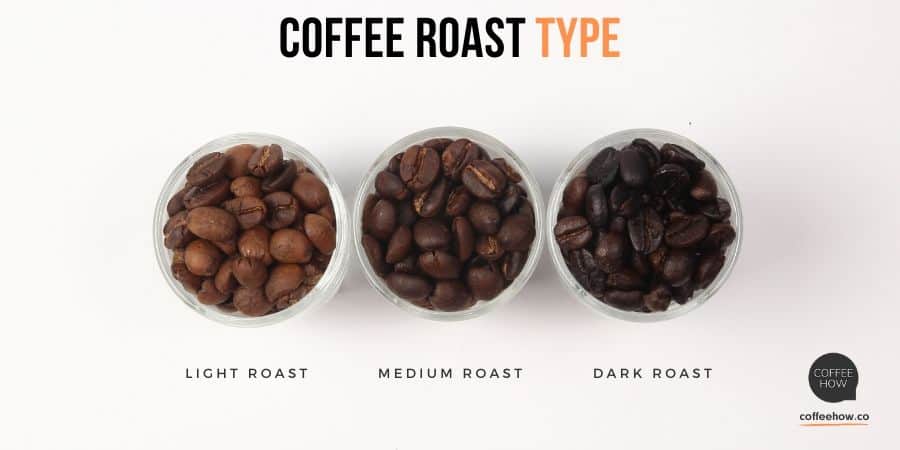
Many single-origin coffees are lightly roasted to retain the unique flavor of coffee from that region. But the acidity and other subtle flavors don’t come through in a cold brew. For that reason, we’d say to stay away from single-origin.
However, several single-origin coffees make excellent cold brew. Coffees from regions known for chocolate-forward profiles tend to perform especially well in cold brew. This would include Sumatran and other Indonesian coffees, Colombian, Peruvian, and some Kenyan or other African coffees. Perhaps more important is choosing a medium or dark roast.
You’ll find a lot of blends that are specifically chosen for the cold brew method. These blends will have a well-rounded taste that is satisfying.
We always recommend you buy freshly-roasted whole bean coffee and grind it yourself immediately before use. However, that’s not always practical or possible. In those circumstances, a pre-ground will do. But not just any pre-ground.
A regular grind does not typically perform well in a cold brew. It can get over-extracted. But worse, the straining process can let undesirable solids into your final cup. While a mouthful of grinds in a hot cup of coffee is not pleasant, it’s even worse in a cold coffee.
Luckily, many cold brew blends are available in a coarse grind. If you don’t have a high-end coffee grinder, you may be better off choosing a pre-ground coffee designed specifically for cold brew.

All you need to make cold brew at home is water, coffee, a container, and a way to strain the grounds. For this recipe, we’ll use a one-pint mason jar. You can watch this video to see how this method works, along with some tips.
To strain the coffee, you can use a kitchen strainer lined with cheesecloth. You can also use a 2-step method. First, strain through a fine strainer. Then, use a coffee filter in a cone basket to get a clear, clean coffee.
Using ice in a cold brew can dilute the flavor. To keep the strength, you have three options.
First, you can make ice cubes out of coffee instead of water.
Second, you can use ‘reusable ice.’ These are made of metal or plastic. You keep them in the freezer, then pop them into your drink to get ice-cold coffee without ice.
Third, you can get a mold to make a large ball of ice. These are often called whiskey ice molds. They take much longer to melt, so they won’t dilute your drink very much.
Our top pick for the best cold brew coffee is Stone Street Coffee Cold Brew Reserve. It yields an exceptionally smooth, sweet, and well-balanced cold brew coffee. The chocolate and caramel notes shine through. Further, Stone Street is an ethical company that we feel good about recommending.
If your top concern is a healthy coffee, take a look at Lifeboost’s Biotics Cold Brew. Lifeboost, in general, is geared toward providing a healthy coffee. This variety goes a step further and adds probiotics. The probiotics are formulated to withstand stomach acids. In your cup, this brew also has chocolate and caramel notes with a full body
For the ultimate convenience, we recommend Bizzy Organic Cold Brew Coffee’s pitcher packs. Just toss them in a jar with water. Later, pull out the pack and throw it out. No straining. No mess. This blend is sweet and smooth with notes of caramel and hazelnut.
In the end, the selling points of cold brew coffee are its low acidity and rich flavor. It’s also perfect for summer. While you can pour any coffee over ice, having an iced cold brew means that you don’t have to heat up the kitchen. Cold brew is the ultimate no-fuss coffee to make at home.

Medium to dark roast coffees work best for cold brew. They produce a smoother, fuller cup with chocolate, nutty, and caramel notes. Coffees with naturally low acidity tend to perform especially well.
Cold brew often tastes smoother, but it can contain more caffeine depending on the ratio used. Many recipes create a concentrate that is later diluted, so the final strength varies.
Yes. Cold brew typically has lower perceived acidity than hot coffee. The cold extraction process pulls fewer acidic compounds, making it easier on the stomach for many people.
Cold brew usually steeps for 12 to 24 hours. Shorter times produce a lighter cup, while longer steeping increases strength and body. In the fridge, 18 to 24 hours is a common range.
A coarse grind is ideal. It helps prevent over-extraction and makes filtering easier. Finer grinds can lead to bitterness and a muddy texture.
You can, but it is not ideal. Regular ground coffee is often too fine and may over-extract. Coarse-ground coffee designed for cold brew gives better results.
No. Cold brew is made with cold water over many hours, while iced coffee is brewed hot and then cooled. Cold brew is smoother and less acidic, while iced coffee has more brightness.
A common starting point is 1:4 for concentrate and 1:6 to 1:8 for ready-to-drink coffee. You can adjust based on how strong you like it.
Yes. All you need is coffee, water, a container, and a way to strain the grounds. A simple jar and filter work well at home.
Cold brew can last about 5 to 7 days when stored in an airtight container. For the best flavor, it is recommended to drink it within the first few days.