fbq('trackCustom', 'view_shop_coffee'); var trackEvent = 'shop_coffee'; Dark roasts have ruled the shelves for most of…
It seems not so long ago that the only people who had an espresso machine at home were celebrities or others with that fabulous lifestyle. Luckily, you can now find espresso machines priced low enough that even we regular people can have them. You’ll also find a slew of espresso coffee beans to choose from.
Brewing the best espresso coffee at home can be satisfying and a boost to the pocketbook. But no matter how good your espresso machine is, if you start with bad beans, you’re going to have bad coffee. This article aims to help you find the best espresso beans to bring out your inner barista.

For me, there are very few things more enjoyable than sipping on a warm latte. But it can get expensive running to the coffee shop every day. Espresso machines designed for home use were a godsend. But even the best machine can’t make good coffee if the beans are bad. Here are ten of the best coffee beans for espresso that you might want to try at home.
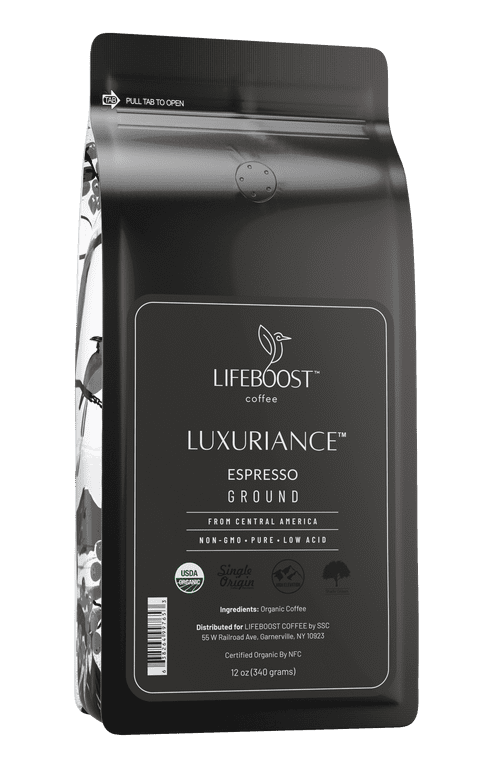
Lifeboost Coffee is a dark roast with a strong focus on clean coffee. The brand states that its beans are independently tested for mycotoxins and screened for heavy metals, pesticides, and other contaminants.
The coffee is shade-grown in the mountains of Nicaragua and carries both Fair Trade and USDA Organic certifications. The beans are hand-picked, washed with spring water, and sun-dried before being roasted in small batches to order.
In espresso, this coffee leans toward a classic dark roast profile. It produces a full-bodied shot with low acidity and no sharp edges, making it a good choice if you prefer a smoother, more mellow espresso.
Flavor-wise, you get notes of chocolate and caramel, with a subtle hint of fruit in the background. It works especially well in milk based drinks. The coffee holds its structure and sweetness and makes a solid base for cappuccinos and lattes.
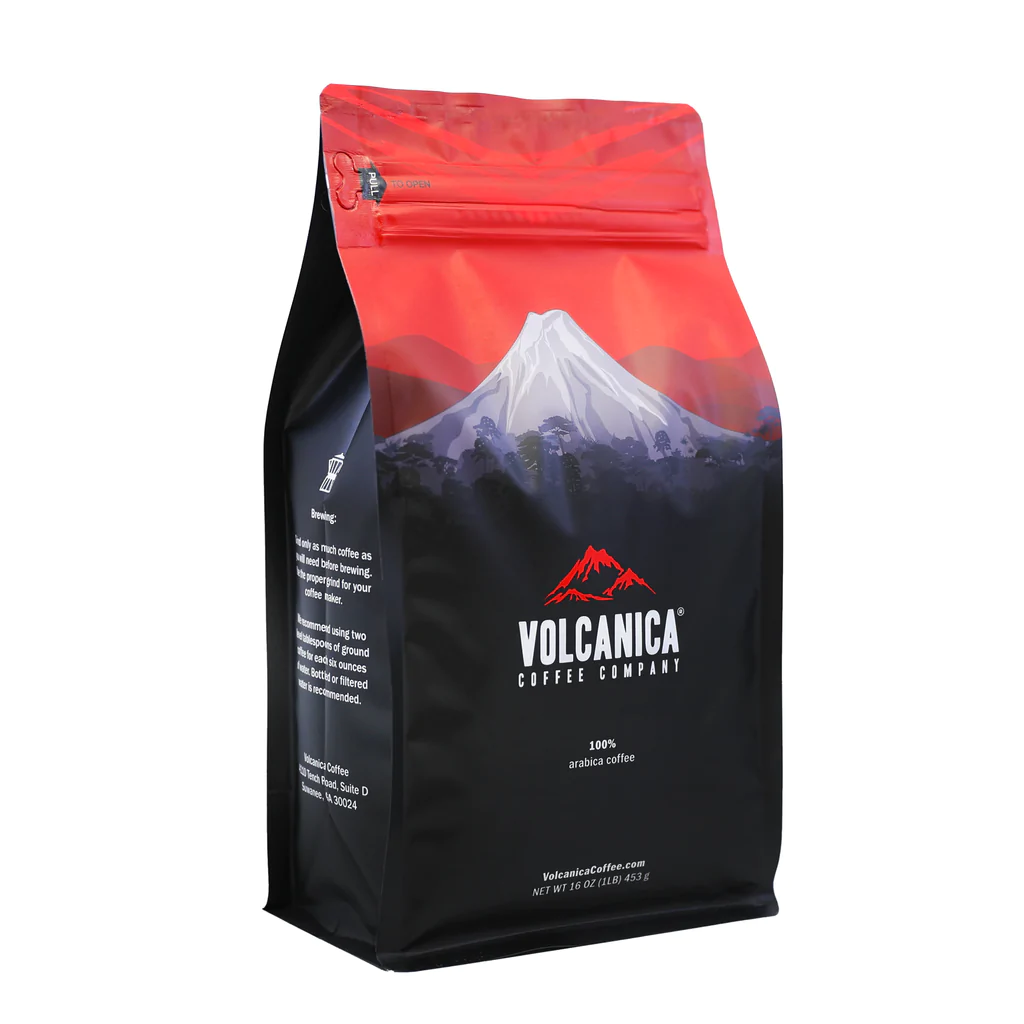
Founded in 2014, Volcanica Coffee focuses on single-origin coffees, with a strong emphasis on beans grown at high altitudes in volcanic soil. These conditions are often associated with more complex and concentrated flavor profiles, which is exactly what the brand aims to highlight.
The coffee is roasted in small batches in Atlanta, which helps maintain freshness. Weekly roasting also means you’re more likely to receive a recently roasted bag, which matters for espresso performance.
Volcanica highlights its ethical sourcing practices. This Tanzania Peaberry is UTZ certified, meaning the farms follow recognized sustainability standards, including environmental practices and working conditions. The company also supports initiatives like charity: water, contributing a portion of its profits to clean water projects.
If you’re not familiar with peaberry coffee, it’s a natural mutation where the coffee cherry develops a single round seed instead of two flat-sided beans. Some coffee drinkers prefer peaberries for their slightly more concentrated and rounded flavor profile.
This is a medium roast, but it performs well as an espresso. The shot comes out with a smooth, buttery body and a balanced structure. Expect notes of plum and nougat, with hints of chocolate and a light citrus touch similar to orange.
It’s a versatile option that works across multiple brewing methods, but it stands out most in espresso and milk-based drinks, where its sweetness and body come through clearly.
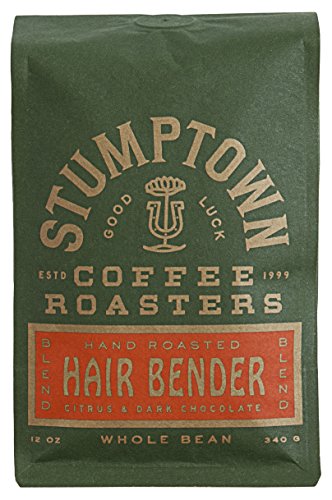
Stumptown Coffee Roasters has been around for over two decades and is known for its focus on Direct Trade sourcing. Many of their coffees come from farms that follow organic growing practices, even if they are not always officially certified.
The company puts a strong emphasis on freshness and typically sells whole bean coffee, which helps preserve flavor and allows for better control over grind size, especially for espresso.
Hair Bender was Stumptown’s first blend. The name comes from the original café location, which used to be a beauty salon, not from caffeine strength as some might assume.
This blend combines beans from Indonesia, Latin America, and Africa, creating a layered and balanced profile. In the cup, it leans toward a rich base with notes of dark chocolate and a bright citrus edge that adds some lift to the shot.
In espresso, Hair Bender is consistent and easy to work with. It produces a balanced shot with good body and a clean finish, which is why it’s used as the house espresso across Stumptown cafés. It also pairs well with milk, making it a reliable option for cappuccinos and lattes.

Not long ago, Kona coffee was rarely used for espresso. Most roasters preferred it for filter brewing, but that has changed as more producers started developing roast profiles that work well under pressure.
Koa Coffee was founded in 1997 and focuses exclusively on 100% Kona coffee from Hawaii. Over the years, the company has received multiple industry awards, including recognition from Forbes. Their process includes hand-picking ripe cherries, small-batch roasting, and cupping each batch to maintain consistency.
This is a single-estate Kona coffee, which gives it a more defined and traceable flavor profile. Even as a dark roast, it retains the smooth, clean character Kona is known for.
In espresso, the shot comes out with a heavy mouthfeel and low acidity, making it easy to drink and well suited for those who prefer a softer profile. Flavor notes lean toward milk chocolate and ripe fruit, with a light layer of toasted nuts from the roast.
It’s typically sold as whole bean, which makes it a better fit if you’re dialing in espresso at home and want more control over grind size and extraction.

Coffee is widely believed to have originated in Ethiopia, but much of its early cultivation and global trade developed in Yemen. Coffees from this region are often associated with some of the oldest and most traditional flavor profiles in the coffee world.
Peet's Coffee was one of the pioneers of the second wave coffee movement. Founded by Alfred Peet in 1966, the company helped shape how darker roasted, more developed coffees became popular in the U.S.
Arabian Mocha Sanani takes its name from Mocha, a historic port city on the Red Sea in Yemen. In coffee, “Mocha” originally referred to beans exported from this region, which are often known for their natural chocolate and cocoa-like notes, not the modern chocolate-based drink.
This blend combines coffees from Yemen and Africa, resulting in a deep, complex profile. In the cup, it produces a full-bodied espresso with notes of spice, dates, and bittersweet chocolate.
It’s a dark roast, but not overly aggressive. In espresso, it delivers a rich and structured shot, while still working well across other brewing methods. It’s a solid option if you’re looking for a heavier, more traditional coffee profile with low brightness and pronounced depth.
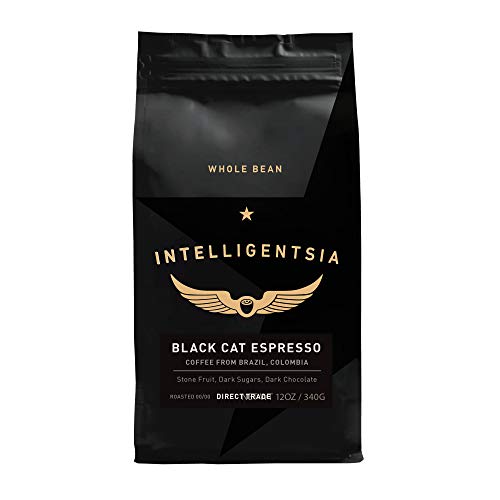
Intelligentsia Coffee was founded in 1995 by Doug Zell and Emily Mange. The company is known for its focus on Direct Trade, working closely with coffee producers to source high-quality beans while maintaining more transparent pricing.
Black Cat Espresso has been part of their lineup since the early days. Despite its name, it’s not a dark roast. This is a medium roast made from 100% Arabica beans, designed specifically for espresso.
The blend typically includes coffees from Colombia and Brazil, creating a balanced and approachable profile. In the cup, it produces a syrupy body with a naturally sweet character. Flavor notes lean toward chocolate, cherry, and molasses, making it a well-rounded option for both straight espresso and milk drinks.
One thing to keep in mind is that the flavor can shift slightly throughout the year. Intelligentsia adjusts the blend based on seasonality to keep the profile consistent while using fresh, in-season coffees. Most bags include a roast date, which helps when dialing in espresso at home.
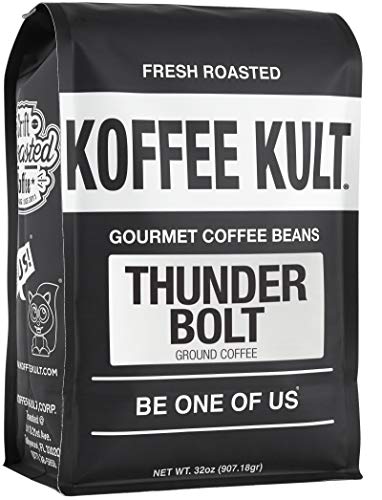
Koffee Kult has been around since 2010 and focuses on ethically sourced coffee. The company emphasizes fair treatment of workers and supports sustainability initiatives at the farm level, including community and education efforts.
Thunder Bolt is a dark French roast made from beans sourced in Colombia and Brazil. Despite the darker profile, it’s not overly oily, which makes it easier to work with in espresso machines, especially those with built-in grinders.
In espresso, this coffee produces a bold, full-bodied shot with low acidity. The aroma leans smoky with a noticeable cinnamon-like spice. Flavor notes include molasses, earthiness, and a light fruit undertone, with occasional hints of citrus depending on the brewing method.
It’s a strong, traditional dark roast profile that works well if you prefer heavier espresso with pronounced depth rather than bright acidity. It can also be used across other brewing methods, but it performs best as a rich, intense espresso.
If you’re dialing in for espresso, it’s better to go with whole beans and grind fresh. Pre-ground coffee is usually set for drip and won’t give you the control needed for proper extraction.

Kicking Horse Coffee is a Canadian roaster that started in the Rocky Mountains and has been working with Fairtrade coffee since the late 1990s. The company focuses on organic, sustainably grown beans and has built a strong reputation for both quality and ethical sourcing.
Cliff Hanger is a blend that brings together beans from Africa, Indonesia, and Central and South America. The coffee is certified organic, shade-grown, and kosher, which reflects the brand’s focus on sourcing standards.
This is a medium roast, but it leans toward a fuller, more developed profile. In espresso, it produces a smooth, balanced shot with a silky body and moderate acidity. It’s approachable and works well if you’re looking for something versatile rather than overly bright or overly dark.
In the cup, expect a mix of berry and cocoa notes, with hints of black currant, milk chocolate, and brown sugar in the aroma. The overall profile is smooth and slightly sweet, making it a good fit for both straight espresso and milk-based drinks.
Cliff Hanger is sold as whole bean, which is ideal if you’re dialing in espresso and want full control over grind size and extraction.
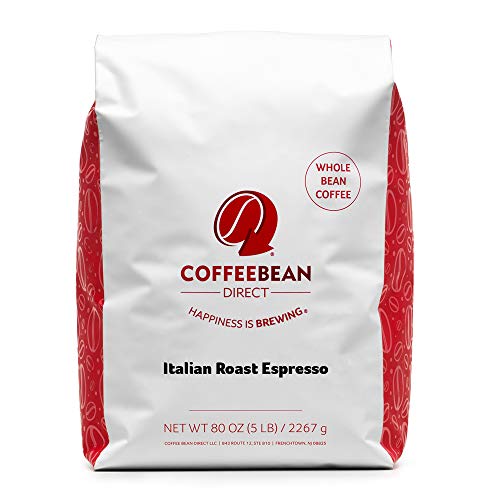
Coffee Bean Direct focuses on delivering fresh coffee at a more accessible price point by selling directly to consumers. The company roasts in small batches in New Jersey, which helps keep the coffee relatively fresh compared to mass-produced options.
Their Italian Roast is available as both whole bean and ground, but if you’re planning to use it for espresso, whole bean is the better choice. Pre-ground coffee is typically set for drip brewing and won’t give you the precision needed for proper espresso extraction.
The blend sources beans from South America and India, resulting in a heavier, more traditional profile. In espresso, it produces a full-bodied shot with medium acidity and a smooth, slightly mellow edge compared to more aggressive Italian-style roasts.
Flavor notes lean toward cocoa powder and smoky molasses, with a light toasty sweetness in the aroma that can come across as honey-like. It’s a solid option if you want a darker profile without too much bitterness.
This coffee is often sold in larger bags, so if you’re buying in bulk, it’s worth storing smaller portions in airtight containers or freezing part of the batch to maintain freshness over time.
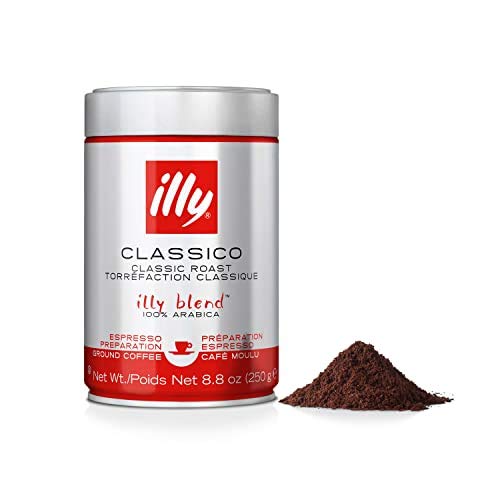
Illy Coffee is a well-known Italian company that has been producing espresso-focused coffee since 1933. Over the years, it has built a reputation for consistency and quality, especially in the pre-ground coffee segment.
One of the reasons Illy stands out is its pressurized packaging system, which helps preserve freshness in pre-ground coffee longer than standard vacuum sealing. This makes it a practical option if you don’t have a grinder at home.
The company has also been recognized for its sustainability efforts, including being named one of the world’s most ethical companies by Ethisphere Institute. Illy works directly with growers and provides training programs aimed at improving coffee quality and farming practices.
Illy Classico Espresso is a blend of nine Arabica coffees sourced from different regions around the world. The goal is to maintain a consistent flavor profile rather than highlight a single origin.
In the cup, this is a smooth and balanced espresso with a silky body and low bitterness. Flavor notes lean toward chocolate and caramel, with a clean, slightly sweet finish.
This is Illy’s lightest roast, which falls into the medium roast range. It works well in espresso machines designed for pre-ground coffee and is a reliable choice if you want a consistent, easy-to-use option without dialing in grind size.

You may wonder if there is any difference between regular coffee beans and espresso beans. The answer is yes… and no.
An espresso bean is a coffee bean. The roaster or seller determines what they can do with an espresso bean. This is based on what performs best in an espresso machine. But, many coffees do well as espresso even if not designated as such. Many of the coffees on this list do not have the espresso beans label.
Remember, the word espresso refers to the method of brewing: high pressure, high heat, short time. This fun video explains some key aspects of espresso.
To make espresso, you need between seven and ten atmospheres of pressure. You can only get that from an espresso machine.
Can you use espresso beans with other methods of brewing coffee? Absolutely! Just remember that different methods can produce a radically different drink in the cup. Some beans that are amazing in an espresso machine might be terrible if used in a drip or pour-over coffee maker. Just as some beans that make a delightful morning drip coffee might make a horrible espresso.
If you’re looking at pre-ground coffee, there is a huge difference between an espresso grind and a regular grind. To make espresso, you need the beans finely ground, almost to a powder. You then place the grind in a portafilter and tamp it to make a tightly packed puck.
Remember that you make espresso using pressure to push the water through. The brewing process takes about 20 to 30 seconds. The fine grind is what allows the full flavor to be extracted in such a short period of time.
If you try to use espresso grind in a drip maker, you’ll likely end up with the basket overflowing. The grind pack down and doesn’t let the water through. You’re left with a giant mess.
If you do manage to get some liquid through the grinds, it will be over-extracted. The resulting sludge will be overwhelmingly bitter and have a dull, lifeless taste.

In general, the best coffee beans for espresso will be a darker roast. Making espresso is an unforgiving process, and a darker roast can give more leniency than a lighter roast. But be careful of being too dark. You don’t want charred beans. That can make the coffee taste bitter.
Roasting brings out the oils in coffee. These oils are part of what creates the flavor and aroma. But you don’t want the beans too oily. Excess oil can clog your espresso machine, especially if you have a fancy, fully automatic machine.
Another reason why darker roasts make the best espresso coffee has to do with Total Dissolved Solids (TDS). These solids determine the coffee’s strength. The more solids, the stronger the coffee. The presence of more solids is also what gives the coffee a fuller body.
One variable that determines the percent of these dissolved solids is the length of extraction. The longer the water has contact with the coffee, the more solids will be extracted. Espresso takes less than 30 seconds to brew. That is not a lot of time to extract the dissolved solids.
The roasting process breaks down the structure of the coffee bean. That means that when coffee beans are roasted longer, the dissolved solids are extracted much more easily. Hence, a darker roast allows you to extract enough of the solids in 20 to 30 seconds.
Freshness always matters with coffee.
Scientific research shows why fresh espresso grounds make better coffee. It has to do with carbon dioxide that is created during the roasting process. Coffee beans slowly release carbon dioxide. Whole beans may keep their freshness anywhere from a few weeks to months. That’s why you want coffee as close to the roasting process.
It’s important to brew your coffee immediately after grinding. When you grind the beans, the outgassing process accelerates. Ground coffee only maintains its freshness for a few minutes to two months.
For convenience or necessity, you might need to buy pre-ground coffee. If so, just be sure to use it right away.
If you know you won’t use a whole bag of ground coffee before it goes stale, you can vacuum-seal smaller portions and store them in the freezer. Be sure to bring the grind to room temperature before using it. With this method, you can lengthen the time that your coffee will taste fresh.
In almost every case, you want to buy whole beans and grind them right before brewing.
That’s because grinding the beans releases their natural compounds, and the coffee goes stale quickly. Therefore, whole bean coffee that you grind at home is the obvious choice.
But there are times when it’s better to buy pre-ground. It’s important to have your coffee evenly ground. That’s even more important with espresso, which is not forgiving at all. If you don’t want to invest in a high-quality grinder, you might be better off buying pre-ground espresso.
Whatever you buy, just be sure to keep an air-tight, moisture-proof seal to preserve the freshness. If you don’t drink a lot of coffee, you might not drink it all before it goes stale. To preserve freshness, you can freeze small quantities in airtight containers in the freezer. Just be sure to bring them to room temperature before brewing.
Both single-origin coffee and blends can yield a satisfying cup of coffee. So, which is better?
In single-origin coffee beans, there’s nowhere to hide. Any flaw in flavor will be glaring. A blend can hide a cheap coffee. Many mass-market coffees will do this to keep costs down.
But some coffees are meant to shine on their own. Just like with fine wines, you can appreciate the subtleties of a single-origin coffee. They are often a lighter roast to highlight the original flavor.
At the same time, blends can be an excellent way to go. The total may be more than the sum of its parts. By combining beans from different regions, you can build complex flavor profiles. An Indonesian can give an earthy base, while an African bean can lend a bright fruitiness. With blends, it’s all about balance.
The brewing method may also affect your choice. Espresso is an unforgiving method. Many espresso coffees use a blend to ensure a satisfying coffee in your cup.

Arabica and robusta coffee plants are completely different. Besides tasting different, they have different chemical makeups and growing needs.
For our discussion, taste is the more important difference. In general, robusta beans will be much more bitter and flatter in taste. They have more caffeine but are also higher in chlorogenic acid. That’s where the bitterness comes from. Arabica coffee also has about twice the amount of natural sugars as Robusta.
Having said that, some high-end roasters are starting to work with robusta beans. They’re looking for ways to coax a more pleasant, even enjoyable, flavor from these outcasts.
Specialty coffee is almost exclusively arabica beans. But the taste comes at a price.
Arabica coffee is more labor-intensive and expensive to grow. It does best at elevation. Often, the slope means that you have to harvest the cherries by hand. Labor cost adds up. Robusta beans will grow in the flat lowlands, making it easier to harvest by machine.
When it comes to roasts, you’ll find three basic levels: light, medium, and dark. Some would add a fourth level, medium-dark. Each bean may have a particular roast that will bring it to its full potential. Some roast levels do best with particular brewing methods.
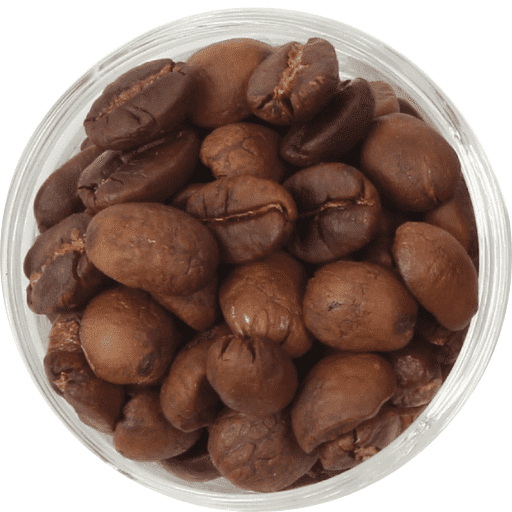
As you would expect, light roasts are lighter in color. For these, the original flavor of the coffee is prominent. You may hear these referred to as a light city, a half city. These tend to have a brighter flavor with more acidity. They also have more caffeine than darker roasts.
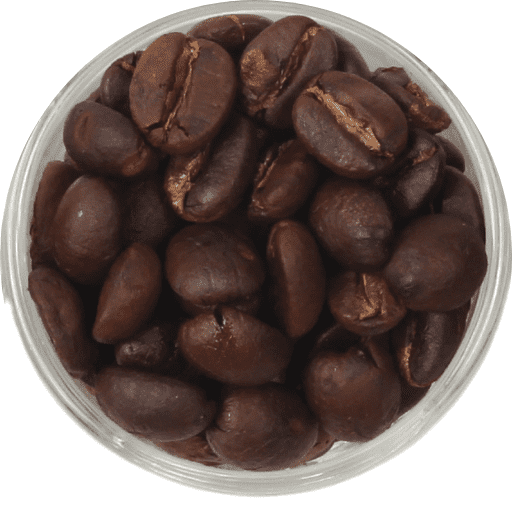
Medium roast coffee is the most common in the U.S. It balances flavor, aroma, and acidity. Roasters may call this city American or breakfast. With medium-dark or full city, oils will start to break the surface of the bean.
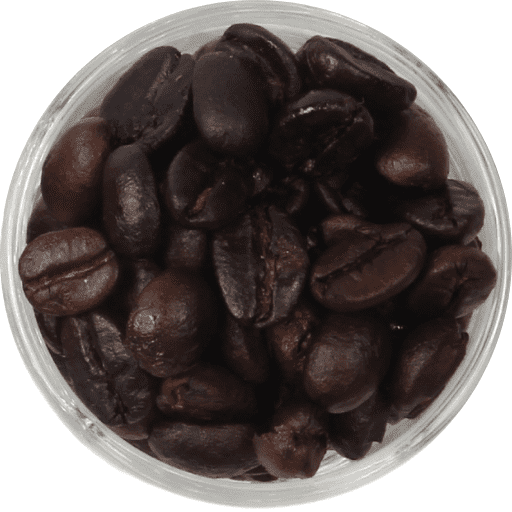
With a dark roast coffee, the bean may shine with surface oils. These have a bold flavor and might border on bitter. Dark roasts have a lot of names, with the darkest roasts often called French or Italian. Many coffees labeled as espresso are dark roasts, but you’ll find medium roasts also used for making espresso.
We hope this helps you find the best coffee for espresso available. While you can’t go wrong with any of the coffees on this list, our top recommendation is Lifeboost Coffee’s Espresso Beans.
We’re a big fan of sustainably sourced, organic coffee. Also, Lifeboost subjects its beans to rigorous testing. Because of that, you can trust that you aren’t getting any harmful chemicals in your morning wake-up call.
Lifeboost’s espresso is a little darker roast than some of the other beans on this list. Personally, I like lattes. This dark roast is bold enough to hold its taste even with a lot of milk. So, crank up the espresso machine and let the pressure build.
The best beans for espresso are usually medium to dark roasts that produce good body, sweetness, and balance under pressure. You don’t need beans labeled “espresso,” but you do need coffee that extracts well in 20 to 30 seconds and doesn’t taste too sharp or thin.
No, espresso beans are not a separate type of bean. They are regular coffee beans that are roasted or blended to perform well in espresso machines. The key difference is how they behave under pressure, not the bean itself.
Yes, many regular coffee beans can make great espresso. Medium roasts and well-balanced blends tend to work best. Very light roasts can be more difficult to extract and may taste sour if your setup isn’t dialed in properly.
Dark roast is often easier to work with because it extracts quickly and produces a fuller body with lower acidity. However, it’s not always better. A well-developed medium roast can produce a sweeter and more balanced shot.
Whole bean coffee is almost always the better choice. Espresso requires a precise grind size, and even small adjustments can change the taste significantly. Pre-ground coffee is more convenient but gives you less control and loses freshness faster.
Espresso beans are usually best a few days after roasting, once they have released some of their gases. After that, they stay at peak quality for a few weeks. Beans that are too fresh can be unstable, while older beans tend to taste flat and dull.
Sour espresso is usually under-extracted. This often means the grind is too coarse, the shot is too fast, or the coffee is too light for your setup. The first adjustment to try is grinding finer.
Bitter espresso is typically over-extracted or made with very dark or stale beans. If your shot runs too slowly, try grinding slightly coarser. If the beans are very oily or smell burnt, the roast may be the issue.
Oily beans are not always a problem, but they can cause issues in automatic machines with built-in grinders. The oil can build up over time and affect performance. For these machines, it’s better to use beans that are dark but not overly oily.
For a classic espresso profile, look for chocolate, caramel, nuts, or molasses. These flavors work especially well in milk drinks. If you prefer a brighter espresso, look for berry or citrus notes, but expect more acidity.