
Are you missing the flavor of coffee but trying to avoid caffeine? Decaffeinated coffee is…
Decaf coffee has changed significantly in recent years. Advances in processing methods and roasting practices now allow many coffees to retain far more of their original flavor and structure than in the past.
If you are new to decaf or want to understand how it differs from regular coffee, see our full guide to what decaf coffee is and how it’s made.
As a result, decaf is no longer simply a substitute for regular coffee. It has become a practical option for evening brewing, for caffeine-sensitive drinkers, and for anyone looking to enjoy coffee more flexibly throughout the day.
For this guide, we reviewed decaf coffees available in the United States across different styles, from specialty-focused roasters to widely available espresso options. Each coffee was considered in terms of processing transparency, roasting approach, flavor balance, brewing performance, and real-world availability.
We regularly update this guide to reflect availability and quality changes in the U.S. market.
Rather than ranking coffees by personal preference, this guide highlights dependable options across different use cases and helps you identify which decaf best fits your taste, brewing method, and daily routine.
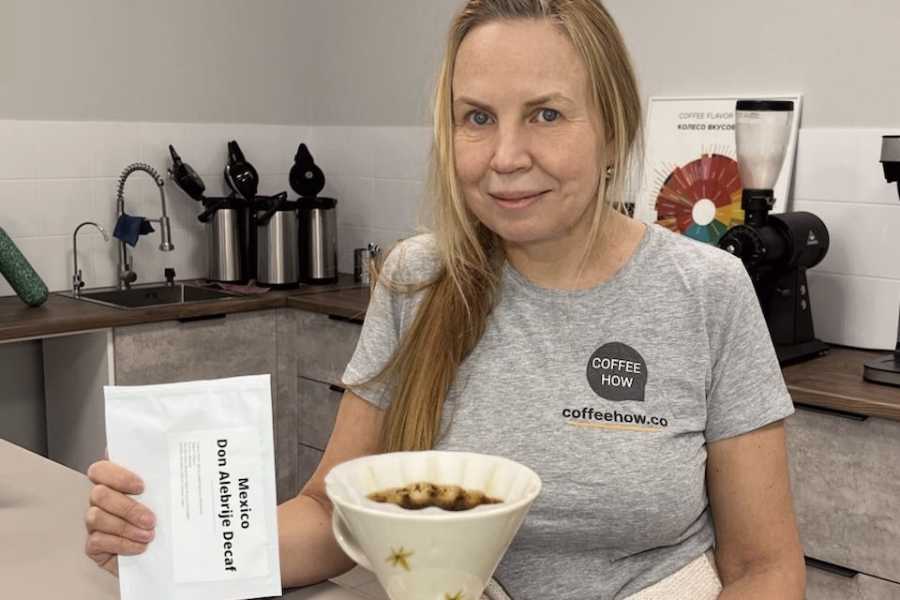
As someone who works with coffee daily, I regularly taste both regular and decaf beans. Modern specialty decaf has improved dramatically, especially when roasted carefully. For evening brewing, decaf is no longer a compromise. It is simply a different experience.
Not all decaf coffee is the same. Quality depends on the decaffeination method, roasting approach, and how transparent a brand is about sourcing and processing.
For this guide, we evaluated each coffee using consistent and practical criteria that matter in everyday brewing:
• Transparency of the decaffeination method, including Swiss Water, EA Sugar Cane, or CO₂ processing
• Roasting quality, freshness practices, and sourcing clarity
• Reputation within the specialty coffee community and reliability over time
• Flavor balance and consistency across different brewing methods
• Suitability for espresso, filter, French press, and home brewing styles
• Practical availability for online purchase in the United States
Our goal is not to rank coffees by personal preference, but to help readers choose decaf beans that match their taste, brewing method, and daily routine.
This guide highlights brands that demonstrate clear processing standards, dependable roasting quality, and predictable results across different price levels and preparation styles.
If you want to understand how different decaffeination methods affect flavor, body, and overall cup structure, see our detailed guide to decaf coffee processing methods.
This guide is intended for readers who want to choose decaf coffee with clarity and practical confidence, rather than relying on marketing claims or trial and error.
It may be especially useful if you:
•are reducing caffeine intake but still want coffee with balance, sweetness, and original character
• are looking for a dependable evening coffee that will not interfere with sleep
• are sensitive to caffeine but want to keep the experience of specialty coffee
• want to understand which decaf beans work best for espresso, filter, French press, or home brewing methods
• prefer to buy coffee online in the United States and value transparency about processing and sourcing
By outlining what each coffee offers in terms of flavor profile, brewing suitability, and processing clarity, this guide is designed to make it easier to identify options that fit your taste and daily routine.

Different decaf coffees work better for different brewing setups and daily habits. Some perform best in espresso machines, others shine in filter brewing, while certain options are chosen mainly for their smooth, low-acidity profile.
To make navigation easier, we grouped the coffees below based on how they tend to perform in real home brewing situations. This should help you quickly identify which options fit your brewing method and the type of cup you enjoy most.
These coffees emphasize sourcing transparency, roasting precision, and origin character. They are best suited for readers who want decaf that reflects modern specialty coffee standards rather than simply replacing caffeine.
These coffees emphasize body, crema performance, and balance in milk drinks or espresso machines.
These coffees perform particularly well in pour over, drip machines, and batch brewers, offering balanced sweetness and clarity.
These coffees are widely available, consistent, and easy to brew across common home methods.
Some drinkers prioritize smoothness, gentle acidity, and organic sourcing over origin complexity. These coffees are often preferred for evening use or for those sensitive to bitterness.
Best for: readers seeking a smooth, mellow cup with a health-oriented sourcing approach.
Understanding how decaf is processed can help explain why these coffees taste different in the cup. If you want a deeper explanation of how caffeine removal affects flavor, roasting, and brewing, see our guide to decaf coffee: what it is, how it’s made, and how to choose.

Decaffeination method: Sugar Cane EA
Roast style: Medium, specialty-oriented
Best for: espresso, filter brewing, and gradual caffeine reduction
Sourcing focus: Origin-driven, high transparency
Onyx Coffee Lab approaches decaf with the same sourcing discipline and roasting precision as its primary specialty lineup. Their decaffeinated coffees are typically single-origin Colombian lots processed using the sugar-cane EA method and selected specifically for how well they maintain structure after caffeine removal.
In the cup, Onyx decaf tends to emphasize clarity and sweetness rather than heaviness. Expect structured acidity, caramelized sugar notes, and clean fruit undertones depending on the lot. Rather than masking the effects of decaffeination with darker roasting, the profile is developed to preserve the origin character.
Onyx also produces a half-caf option called Power Nap, built on the same sourcing philosophy. This makes it a practical choice for drinkers who want to reduce caffeine intake gradually while maintaining a specialty-level coffee experience.
Why we included it in this guide
High sourcing transparency, specialty-level roasting standards, and a clear focus on origin expression make Onyx one of the most representative examples of modern specialty decaf available in the United States.
Industry perspective
Specialty coffee publication Sprudge has highlighted Onyx for its single-origin decaf offerings as well as its innovative half-caf product Power Nap, noting that both reflect a thoughtful approach to sourcing and processing within specialty coffee.

Decaffeination method: Swiss Water Process
Roast style: Medium, specialty-oriented
Best for: filter brewing, pour over, and balanced everyday cups
Sourcing focus: consistent, balanced specialty decaf / strong filter performance
Counter Culture’s Slow Motion is one of the most consistently recommended specialty decaf coffees in the United States. Rather than relying on darker roasting to compensate for caffeine removal, it is developed to preserve sweetness, structure, and overall balance. This approach helps the coffee retain more clarity and composure than many traditional decaf blends.
blends.
In the cup, Slow Motion typically shows chocolate-forward sweetness, light nutty tones, and a smooth, rounded body with restrained acidity. The profile leans toward balance rather than intensity, which makes it particularly well-suited for pour-over, batch brewers, and other filter methods where structure and sweetness matter more than strength.
Counter Culture publishes sourcing information and maintains detailed roasting standards, reinforcing the product’s transparency within the specialty market. In industry discussions, Slow Motion is often cited as an example of how modern decaf can maintain quality when carefully sourced, processed, and roasted.
Why we included it in this guide
Consistent roasting, sourcing transparency, and a balanced flavor profile make Slow Motion a dependable specialty decaf for readers looking for a reliable daily filter coffee.
Industry perspective
In a comparative tasting published by Serious Eats, Slow Motion was named the best overall decaf coffee among the options tested. Reviewers noted its balance and depth relative to other coffees in the lineup, describing it as showing “the best balance of body, sweetness, and acidity” in the test.

Decaffeination method: Swiss Water Process
Roast style: Medium, specialty-oriented
Best for: filter brewing, pour over, and balanced specialty cups
Sourcing focus: long-standing third-wave benchmark / clarity and balance in pour over
Olympia Coffee’s Asterisk Decaf is frequently referenced within specialty coffee circles as an example of how carefully roasted decaf can retain sweetness and clarity. Instead of relying on darker roasting to compensate for caffeine removal, the blend is developed to preserve structure and balance in the cup.
In practice, Asterisk Decaf tends to show molasses-like sweetness, cocoa tones, and a rounded body with restrained acidity. The profile is composed rather than intense, which allows it to perform consistently across pour-over setups, drip machines, and other filter methods.
Olympia’s emphasis on sourcing transparency and long-standing presence in third-wave specialty coffee reinforces its position as more than a secondary decaf offering. The coffee is treated as a fully developed release within the roaster’s lineup rather than a substitute option.
Why we included it in this guide
Consistent roasting standards, a clear specialty identity, and reliable performance in filter brewing make Asterisk Decaf one of the more respected decaf options available to U.S. readers
Industry perspective
Specialty publication Sprudge has highlighted Olympia’s decaf as a standout example of modern specialty decaf, describing it as “one of the few decaf coffees we recommend to anyone, any place, anytime.”

Decaffeination method: Swiss Water
Roast style: Medium, specialty-oriented
Best for: espresso, drip brewing, and balanced specialty drinking
Sourcing focus: specialty structure with espresso versatility
Intelligentsia approaches decaf with the same blending discipline and sourcing standards used for its flagship espresso programs. Their decaf offerings often rotate between single origins and blends selected specifically for how well they retain structure and sweetness after caffeine removal.
In the cup, Intelligentsia’s decaf typically shows chocolate-driven sweetness, subtle fruit undertones, and a composed body that integrates well in milk drinks. The profile is designed to feel complete rather than muted, which helps it perform consistently across espresso and drip brewing.
As one of the foundational third-wave specialty roasters in the United States, Intelligentsia brings historical continuity to its decaf program. The coffees are positioned as part of the roaster’s core lineup rather than a secondary offering.
Why we included it in this guide
Established specialty credibility, consistent roasting standards, and dependable espresso performance make Intelligentsia a strong option for readers looking for a recognizable third-wave decaf.
Industry perspective
Independent decaf-focused reviews have also noted Intelligentsia’s ability to maintain balance and complexity in its decaffeinated coffees. In one detailed tasting, the coffee was described as showing sweet chocolate tones alongside fruit and citrus notes while remaining well-balanced in the cup.

Decaffeination method: CO₂ process
Roast style: Medium-dark, traditional Italian profile
Best for: espresso machines, moka pots, and classic café-style drinks
Sourcing focus: classic Italian style with reliable crema
Lavazza Dek is one of the few widely available decaf espresso coffees in the U.S. that uses the CO₂ decaffeination process rather than the more common Swiss Water method. This approach helps preserve compounds that contribute to body and crema, which makes the coffee more predictable in espresso brewing than many supermarket decafs.
In the cup, the profile follows a classic Italian direction: chocolate-forward, nutty, low in acidity, and structured enough to hold up well in milk drinks. It tends to produce stable crema in espresso machines and moka pots, making it a practical option for readers who want a straightforward decaf that works reliably at home.
Lavazza does not position Dek as a transparency-driven specialty coffee. Its strength lies in consistency and availability. For many readers, being able to buy a dependable decaf espresso easily from major retailers is a real advantage.
Why we included it in this guide
Reliable crema, a familiar Italian flavor profile, and easy availability make Lavazza Dek a practical choice for everyday decaf espresso at home.
Industry perspective
In comparative testing, The Spruce Eats included Lavazza Dek among recommended decaf espresso options, noting its “rich crema and smooth consistency with notes of hazelnut and roasted cereal.”
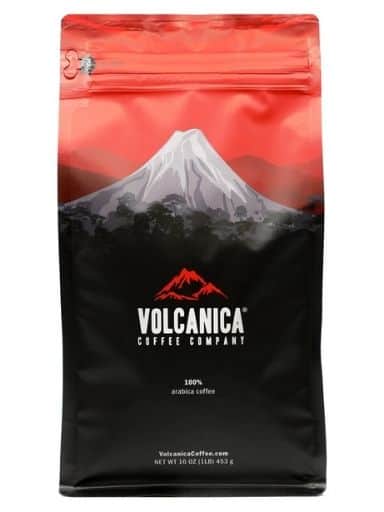
Decaffeination method: Swiss Water Process
Roast style: Medium
Best for: filter brewing, drip coffee, everyday brewing
Volcanica’s Colombian Decaf represents a more classic approach to decaffeinated coffee. The beans are grown in the Colombian Andes and processed using the Swiss Water Process, a chemical-free method that removes caffeine while aiming to preserve the coffee’s original flavor structure.
In the cup, the profile stays close to what many drinkers expect from a traditional Colombian coffee. The balance leans toward soft acidity, mild caramel sweetness, and a smooth body rather than bright fruit or high aromatics. The result is a clean and approachable cup that works well for daily brewing.
Compared with many specialty decaf coffees that focus on experimental processing or very light roasting, Volcanica takes a more straightforward direction. The coffee is roasted to a balanced medium profile, which helps maintain body and sweetness without pushing the roast too far.
This style makes it particularly suitable for drip brewers and automatic coffee makers, where clarity and balance are usually more important than intense acidity.
Why we included it in this guide
A clean Swiss Water decaf, classic Colombian flavor balance, and consistent online availability make this coffee a reliable everyday option for readers who want a straightforward decaf without complicated flavor profiles.
Industry perspective
In comparative reviews of decaf coffees, Volcanica’s Colombian Decaf has been noted for delivering a cup that closely resembles regular coffee. In a tasting panel referenced by Homegrounds, coffee specialist Julia Bobak highlighted how convincingly the coffee performs in blind tastings, noting that “not one person noticed it was decaf.”
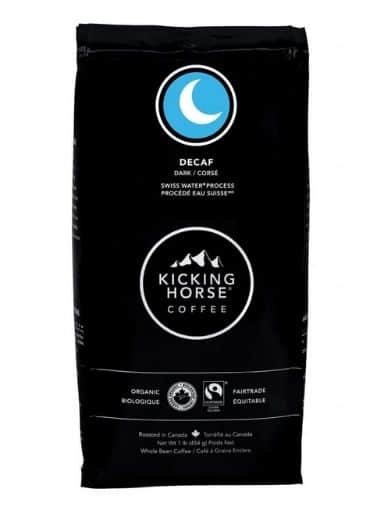
Decaffeination method: Swiss Water Process
Roast style: Dark
Best for: espresso, moka pot, and milk-based drinks
Sourcing focus: strong body, milk-friendly, easy to find
Kicking Horse Decaf Dark Roast is one of the more widely available Swiss Water processed decaf coffees in the United States. Rather than positioning itself as a niche specialty option, it focuses on delivering strong body and dependable flavor across common home brewing setups.
In the cup, the profile leans toward cocoa-forward sweetness, low acidity, and a heavy mouthfeel. The darker roast helps maintain intensity after decaffeination, allowing the coffee to perform well in espresso, moka pots, and milk-based drinks where body and roast character matter more than brightness.
While it does not emphasize single-origin traceability or experimental roasting approaches, the coffee’s strength lies in consistency and accessibility. For many readers, being able to purchase a reliable decaf easily online or in major retailers is a practical advantage.
Why we included it in this guide
Strong body, predictable flavor, and broad availability make Kicking Horse a dependable choice for readers who want a bold, easy-to-find decaf for everyday brewing.
Industry perspective
In comparative consumer-focused guides, The Spruce Eats has included Kicking Horse among recommended budget-friendly decaf options, noting its reliable flavor and overall consistency for daily use.
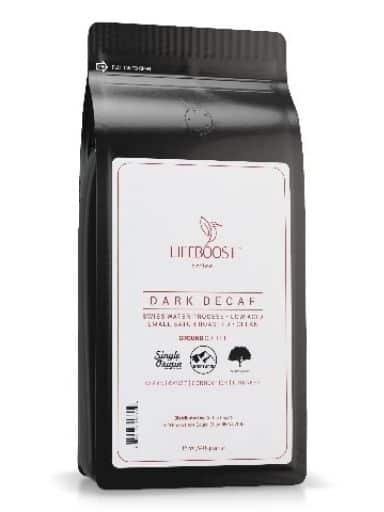
Decaffeination method: Swiss Water Process
Roast style: Dark
Best for: low-acidity brewing, drip coffee, and smooth everyday cups
Lifeboost Coffee positions its decaf primarily around sourcing standards and smoothness rather than experimental flavor development. The coffee is typically marketed as single-origin arabica processed using the Swiss Water method, a water-based approach designed to remove caffeine while preserving body and structure.
In the cup, Lifeboost decaf tends to emphasize gentle chocolate tones, mild sweetness, and restrained acidity. The profile is designed to feel smooth and approachable rather than complex or fruit-forward, which can make it suitable for readers seeking a mellow evening cup.
The company also highlights organic certification and third-party testing for contaminants. While this positioning differs from the transparency model often emphasized in third-wave specialty coffee, it may appeal to readers who prioritize perceived cleanliness and low acidity alongside flavor.
Why we included it in this guide
A smooth, low-acidity profile combined with Swiss Water processing and organic positioning makes Lifeboost a practical option for readers looking for a gentle, easy-drinking decaf.
Industry perspective
Independent decaf-focused roasters have evaluated Lifeboost’s Swiss Water decaf as one of the more versatile low-acidity coffees in the U.S. market, noting its smooth profile and suitability for filter brewing methods. Consumer-focused reviews also frequently position the brand within the health-oriented segment due to its low-acid profile and sourcing controls.
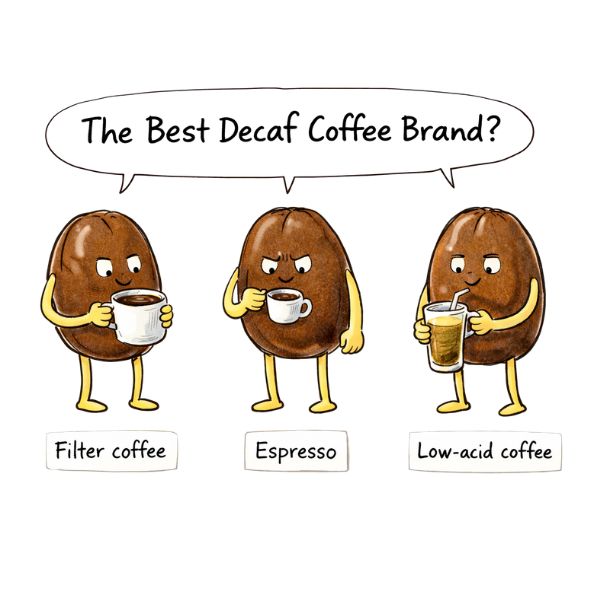
Choosing a good decaf coffee is less about finding a single “best” option and more about matching the coffee to how you actually drink it.
The coffees in this guide were selected to represent different brewing styles, flavor preferences, and sourcing approaches. Use the categories above as a starting point, then narrow your choice based on how you prepare coffee at home.
If you brew espresso or milk drinks, look for coffees with a stronger body and lower acidity that can hold their structure under pressure. Traditional Italian-style blends or espresso-oriented specialty roasts tend to work well here.
For filter brewing or pour over, balanced coffees with moderate acidity and clear sweetness usually produce better results. Medium roasts often retain more original character and create a cleaner cup.
If your priority is smoothness or lower acidity, consider coffees positioned around gentle profiles or sourcing standards rather than complexity.
Most importantly, think about when and why you drink coffee. Evening cups, daily routines, and occasional specialty brewing may call for different decaf choices. Starting with a coffee that fits your brewing method and taste preference will almost always lead to better results than chasing trends or brand names.

The best decaf coffee depends on your brewing method and taste preferences. In this guide, Onyx Lab Decaf stands out for specialty quality and transparency, Counter Culture Slow Motion works especially well for balanced filter brewing, and Intelligentsia Decaf Black Cat Espresso is a strong option for espresso-focused drinkers.
Decaf coffees with good body and moderate acidity usually work best for espresso. In this guide, Intelligentsia Decaf Black Cat Espresso and Lavazza Dek perform especially well, depending on whether you prefer a specialty-style profile or a more traditional Italian cup.
Balanced, medium-roasted decaf coffees usually work best for pour-over and filter brewing. In this guide, Counter Culture Slow Motion, Olympia Decaf Asterisk, and Volcanica Colombian Decaf are especially well suited for filter brewing and everyday drip coffee.
Start by choosing a decaf that matches your brewing method and flavor preference. For espresso or milk drinks, look for coffees with stronger body and moderate acidity. For pour over or drip coffee, medium-roasted decafs with balanced sweetness and clarity are usually a better fit.
Decaffeination slightly changes the bean structure, which can reduce intensity if the coffee is poorly roasted or brewed. However, well-processed and properly brewed decaf can taste just as balanced and full as regular coffee.
Swiss Water, Sugar Cane EA, and CO₂ processing are the most common modern decaffeination methods. These processes remove caffeine while preserving much of the coffee’s sweetness, structure, and overall drinkability.
In many cases, specialty decaf offers better flavor and transparency than supermarket decaf. Specialty roasters usually provide clearer information about sourcing, processing, and roast style, which often leads to better balance and more consistent brewing results.
Look for the decaffeination method, roast style, and brewing recommendations. It also helps when the brand clearly communicates sourcing, freshness, and which brewing methods the coffee works best for.
Decaf coffee is not always lower in acidity. Acidity depends mostly on the coffee origin and roast level rather than the decaffeination process itself. However, some decaf coffees are intentionally roasted or selected to produce a smoother, lower-acid cup.