An old debate “Espresso vs coffee.” This title reminds me of those old sci-fi movies…
It seems not so long ago that the only people who had an espresso machine at home were celebrities or others with that fabulous lifestyle. Luckily, you can now find espresso machines priced low enough that even us regular people can have them. You’ll also find a slew of espresso coffee beans to choose from.
Brewing the best espresso coffee at home can be satisfying and a boost to the pocketbook. But no matter how good your espresso machine is, if you start with bad beans, you’re going to have bad coffee. This article aims to help you find the best espresso beans to bring out your inner barista.

For me, there are very few things more enjoyable than sipping on a warm latte. But it can get expensive running to the coffee shop every day. Espresso machines designed for home use were a godsend. But even the best machine can’t make good coffee if the beans are bad. Here are ten of the best coffee beans for espresso that you might want to try at home.
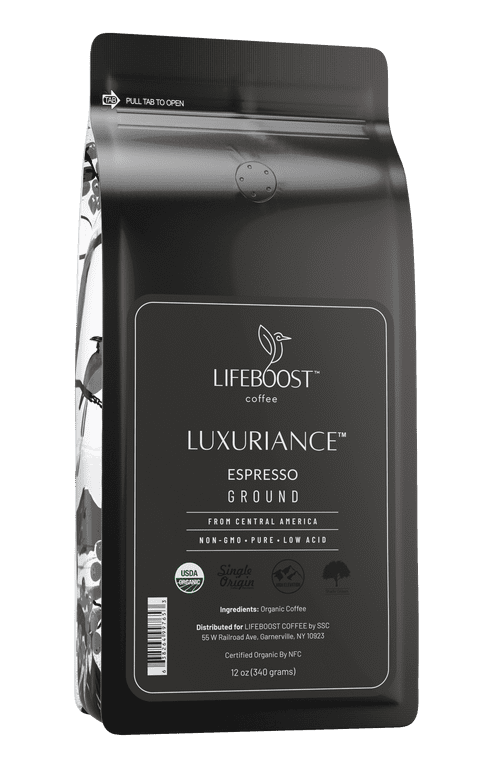
These espresso coffee beans are Lifeboost's dark roast. Dr. Charles Livingston founded Lifeboost Coffee with the idea of bringing healthy coffee beans. Their coffees are certified mycotoxins free by an independent lab. They also test for heavy metals, pesticides, and 400 other toxins
Lifeboost sources shade-grown coffee from the mountains of Nicaragua. It is Fair Trade Coffee and USDA Organic.
The arabica coffee beans for this espresso coffee are hand-picked and spring water washed. They are then sun dried. Lifeboost hand roasts small batches to order. This blend is sold as whole coffee beans.
We can only describe the aroma of the brewed beverage as intense. You'll enjoy a well-balanced coffee with a full body and bold flavor. It is medium to low acid. The flavor profile includes chocolate and caramel notes, you might also detect a slight fruity taste.
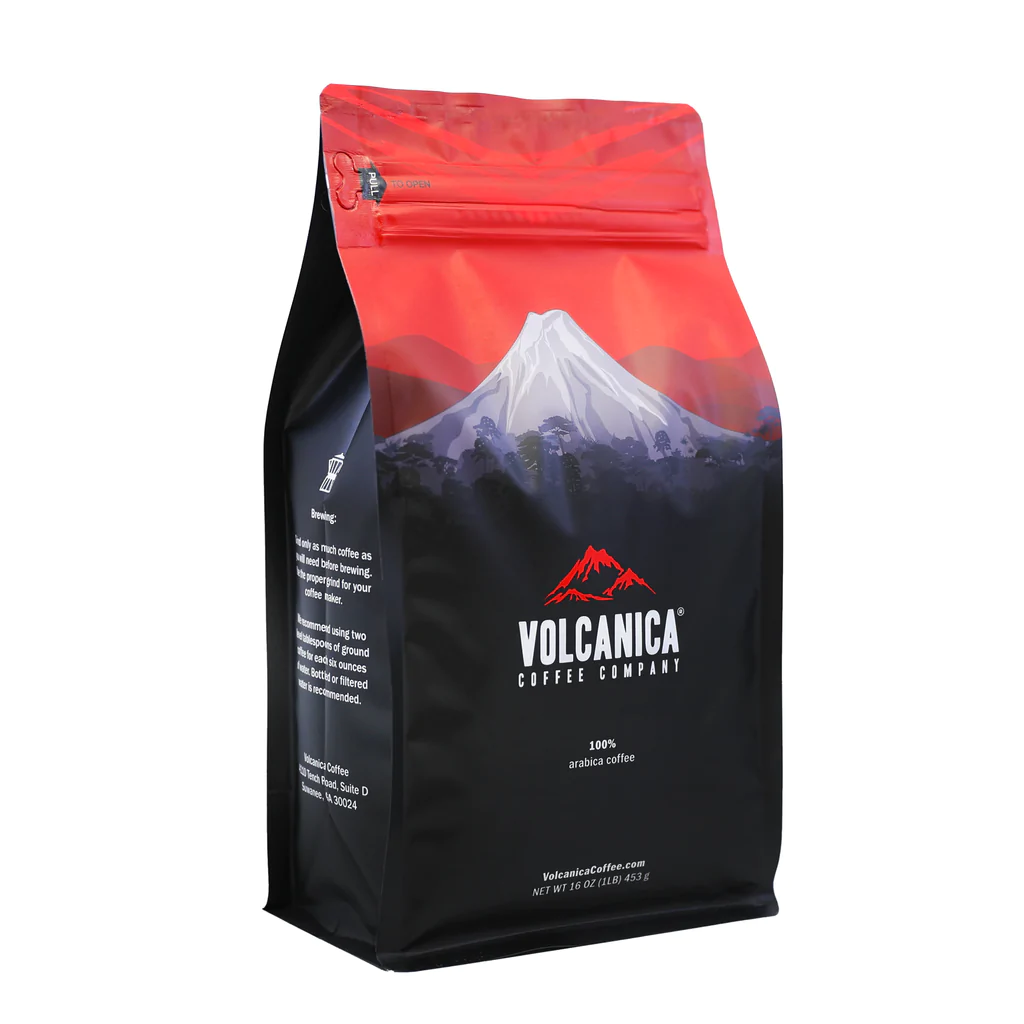
Founded in 2014, Volcanica focuses on single-origin and estate specialty coffee beans. The founders realized that the best coffees came from plants grown at high altitudes in rich volcanic soil. That is the kind of coffee beans they decided to specialize in.
They roast their coffee beans on a weekly basis in Atlanta. The small batches help guarantee that the coffee you buy is always fresh.
As a company, Volcanica is committed to ethical practices. The espresso beans for the Tanzania Peaberry are UTZ certified. That means that the growers meet the highest standards for sustainability. This includes standards for social and living conditions. Also, the company donates a portion of its profits to charity: water.
If you're not familiar, a Peaberry is a mutation within the coffee cherry that produces one seed instead of two. Those seeds are what we call coffee beans. As a result, many believe that the single seed gets more nutrients and more flavor.
This is a medium roast. But don't let that fool you. This coffee is well suited to making espresso. The body has a buttery richness. Flavor notes include plum and nougat. It also has hints of chocolate and orange. Volcanica's Tanzania Peaberry is certified Kosher. This is a more versatile coffee, as it brews well using a variety of methods.
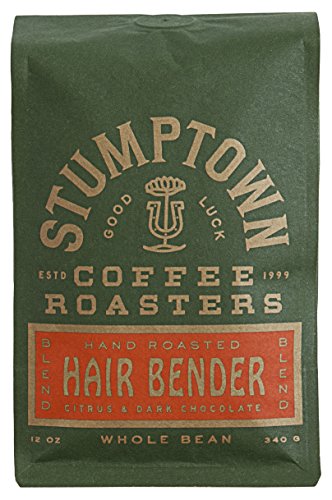
Stumptown Coffee Roasters has been around for about 20 years. Most of their coffee beans are Direct Trade and non-GMO. Also, they source most of their beans from farms that use organic growing methods. Even though they may not carry the expensive organic certification, growers rarely, if ever, use pesticides.
Stumptown cares about the freshness of theirs coffee beans. That's part of why they only sell whole bean coffee.
Hair Bender was their first blend. Based on the name, you might think that this is an over-caffeinated brew, as in it makes your hair stand on end. But that's not it. Stumptown's first location was in a former beauty salon. They named this blend for the sign in the salon's window.
This balanced blend combines beans from Indonesia, Latin America, and Africa. This provides layers of flavor with a deep, earthy base. Dark chocolate and citrus are the primary tasting notes.
Hair Bender is the house espresso beans in all of Stumptown's cafes. While it can be brewed by other methods, it makes an outstanding espresso. The medium roast beans make it compatible with espresso machines that include an automatic grinder.

Not long ago, you would never see a Kona coffee served as an espresso. It's a good thing that times change!
Koa Coffee got its start in 1997. Since then, it has won numerous awards, including Forbes' "Best in America." They hand pick the ripe coffee cherries. They hand-roast the coffee beans and cup each batch to make sure it measures up to their standards.
This is a single-estate Kona coffee. Even with its dark roast, you still get the smooth milk chocolate and ripe fruit flavors you expect from a Kona. This roast adds a hint of toasted nuts. This is a low-acid coffee with a heavy mouthfeel. Koa Coffee sells this dark roast as whole bean.

Origin of the species? Most stories place Ethiopia as the birthplace of coffee. But much of coffee's early cultivation and trade began in Arabia, a district in Yemen. This coffee hails from the deserts of Yemen to bring the ancient flavors to life.
As a brand, Peet's was on the forefront of coffee's second wave. Alfred Peet opened his first café in 1966.
You can purchase this coffee as a whole bean. You can also select different coffee grinds. They offer ground coffee for commercial coffee makers, drip makers, espresso machines, and the French Press. Freshness is a priority. Peets hand-roasts this coffee to order. It roasts and ships on the same day.
You might be confused by the coffee's name: Arabian Mocha Sanani. We might think of mocha as the espresso drink with chocolate and milk. But Mocha is actually the name of a port city on the Red Sea! Coffee from this area is known for its chocolate and cocoa flavor notes.
Arabian Mocha Sanani is a blend of espresso beans from Africa and Yemen. Flavor notes include spice, dates, and bittersweet chocolate. The brew has a full body.
This is a dark roast, but not their darkest. Arabian Mocha Sanani is a good choice for espresso, and it also makes a satisfying cup of joe with any brewing method.
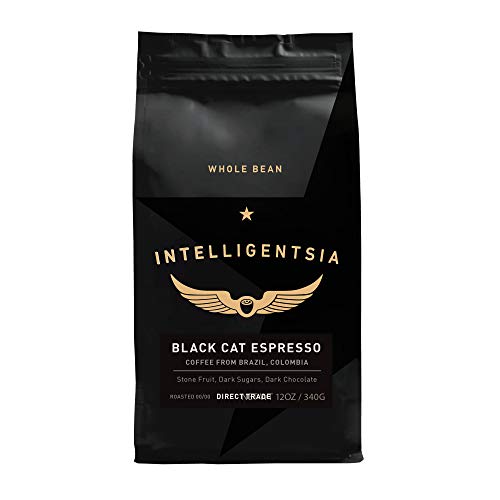
Doug Zell and Emily Mange founded Intelligentsia back in 1995. They focus on building relationships with the growers. They practice direct trade for the highest quality coffee beans at the best price. This benefits both the growers and the end consumer.
Their Black Cat Espresso has been around since the company started. Tasters have described this brew as dark and mysterious. However, it is a medium roast of 100% arabica coffee beans.
This blend sources its beans from Colombia and Brazil. It offers a syrupy mouthfeel for a satisfying espresso. You might find it sweeter than many other espresso blends. The flavor profile includes chocolate, cherry, and molasses.
You may notice a flavor shift from one season to the next. That's because they always seek the freshest beans and buy coffee that is in season. You will find the roast date on most packages.
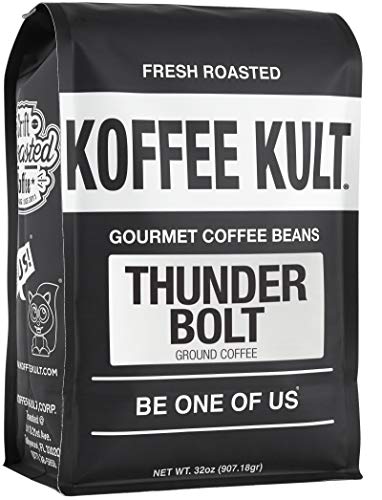
If you want to feel good about where your money goes, check out Koffee Kult. They've been around since 2010. Their focus is on strict standards for ethical transactions and sustainability. They demand that growers give all workers equal pay. They also support schools on the farms to help the kids.
Thunder Bolt is a dark French roast that is organically sourced. It is not as oily as many other French roasts that you'll find. It should do well in espresso machines that have automatic grinding.
When brewed, this coffee gives a smokey and cinnamon aroma. Sourced from Colombia and Brazil, this coffee has fruity, earthy, molasses, and tobacco notes. With some brewing methods, you might note hints of green apple, lime, and pineapple. For espresso, you'll likely detect cinnamon notes.
Kicking Horse sells their coffee beans both ground and whole. Remember that the grind will be a regular grind. If you intend to make espresso, buy the whole bean and grind it yourself.

Kicking Horse is a Canadian company, so you will notice their labeling is in English and French. The company started in a garage in the Canadian Rockies. They have been buying Fairtrade coffee since 1998. They have earned numerous accolades for their coffee and their business practices.
The beans for Cliff Hanger come from Africa, Indonesia, and South and Central America. They are organic and sustainably grown in the shade. They are also kosher.
This is a medium roast with a bold flavor. It does well with a variety of brewing methods in addition to espresso.
The enticing aroma has hints of black currant, milk chocolate, and brown sugar. Tasting notes include wild berry and cocoa. The brew has a silky, smooth body. You can get some of the Kicking Horse coffees as whole bean and ground, but Cliff Hanger is only available as whole bean.
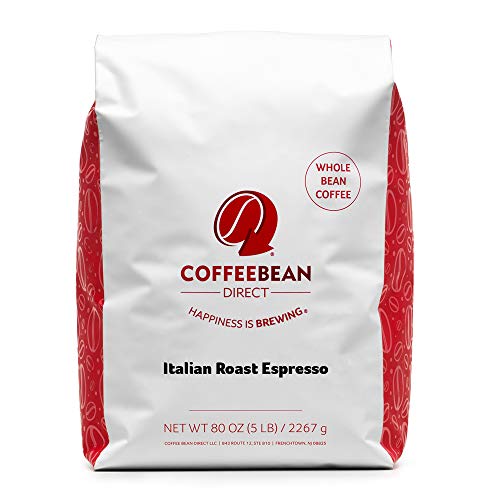
Coffee Bean Direct started with the desire to give you high quality coffee at affordable prices. They roast their coffee in Frenchtown, New Jersey. By selling directly to the consumer, they cut costs and deliver the freshest coffee. By roasting to order, they can deliver coffee as close to the roasting date as possible.
Coffee Bean Direct offers their Italian roast as whole bean or ground. But they use a regular grind, like for a drip coffee maker. If you plan to use this for espresso, be sure to get whole bean and give it a fine grind.
This Italian roast sources beans from South America and India. You can expect a heavy, full-bodied brew in your cup. Flavor notes include cocoa powder and smoky molasses. You may notice a toasty, honey aroma.
You might find this coffee milder than other Italian roasts. Coffee Bean Direct also has a super-dark Italian espresso bean.
This brew has a full-to-heavy body with medium acidity. This coffee comes in 1-, 2.5- and 5-pound bags. You can vacuum-seal smaller portions to store in the freezer.
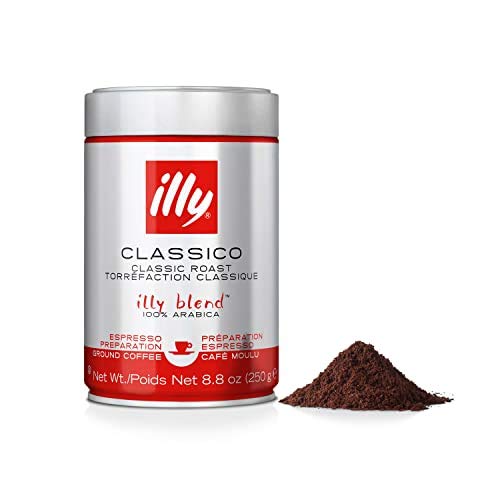
If you're looking for a pre-ground coffee, check out the Illy brand. They use an exclusive packaging process to keep the grounds fresh.
Illy is an Italian company that has been around since 1933. For many years, they were practically synonymous with espresso in the US. The company was a pioneer in direct trade practices. They have multiple quality certifications and a sustainability certification.
Ethisphere named this company one of the world's most ethical businesses. Part of their business model includes giving hands-on training to the coffee growers. The growers take advantage of this at no cost to them. With better informed farmers, you get a better coffee.
These espresso grounds are a blend of nine different types of arabica beans sourced from around the world. They use sustainably farmed arabica beans.
The result is a well-balanced coffee with a silky smoothness and lingering sweetness. The flavor profile includes notes of chocolate and caramel. Illy's Classico Espresso is a medium roast, which is their lightest roast

You may wonder if there is any difference between regular coffee beans and espresso beans. The answer is yes… and no.
An espresso bean is a coffee bean. The roaster or seller determines what they will can an espresso bean. This is based on what performs best in an espresso machine. But, many coffees do well as espresso even if not designated as such. Many of the coffees on this list do not have the espresso beans label.
Remember, the word espresso refers to the method of brewing: high pressure, high heat, short time. This fun video explains some key aspects of espresso.
To make espresso, you need between seven and ten atmospheres of pressure. You can only get that from an espresso machine.
Can you use espresso beans with other methods of brewing coffee? Absolutely! Just remember that different methods can produce a radically different drink in the cup. Some beans that are amazing in an espresso machine might be terrible if used in a drip or pour-over coffee maker. Just as some beans that make a delightful morning drip coffee might make a horrible espresso.
If you’re looking at pre-ground coffee, there is a huge difference between espresso grind and regular grind. To make espresso, you need the beans finely ground, almost to a powder. You then place the grind in a portafilter and tamp it to make a tightly packed puck.
Remember that you make espresso using pressure to push the water through. The brewing process takes about 20 to 30 seconds. The fine grind is what allows the full flavor to be extracted in such a short period of time.
If you try to use espresso grind in a drip maker, you’ll likely end up with the basket overflowing. The grind packs down and doesn’t let the water through. You’re left with a giant mess.
If you do manage to get some liquid through the grinds, it will be over-extracted. The resulting sludge will be overwhelmingly bitter and have a dull, lifeless taste.

In general, the best coffee beans for espresso will be a darker roast. Making espresso is an unforgiving process, and a darker roast can give more lenience than a lighter roast. But be careful of too dark. You don’t want charred beans. That can make the coffee taste bitter.
Roasting brings out the oils in coffee. These oils are part of what creates the flavor and aroma. But you don’t want the beans too oily. Excess oil can clog your espresso machine, especially if you have a fancy, fully automatic machine.
Another reason why darker roasts make the best espresso coffee has to do Total Dissolved Solids (TDS). These solids determine the coffee’s strength. The more solids, the stronger the coffee. The presence of more solids is also what gives the coffee a fuller body.
One variable that determines the percent of these dissolved solids is the length of extraction. The longer the water has contact with the coffee, the more solids will be extracted. Espresso takes less than 30 seconds to brew. That is not a lot of time to extract the dissolved solids.
The roasting process breaks down the structure of the coffee bean. That means that when coffee beans are roasted longer, then the dissolved solids are extracted much easier. Hence, a darker roast allows you to extract enough of the solids in 20 to 30 seconds.
Freshness always matters with coffee.
Scientific research shows why fresh espresso grounds make better coffee. It has to do with carbon dioxide that is created during the roasting process. Coffee beans slowly release carbon dioxide. Whole beans may keep their freshness anywhere from a few weeks to months. That’s why you want coffee as close to the roasting process.
It’s important to brew your coffee immediately after grinding. When you grind the beans, the outgassing process accelerates. Ground coffee only maintains its freshness from a few minutes to two months.
For convenience or necessity, you might need to buy pre-ground coffee. If so, just be sure to use it right away.
If you know you won’t use a whole bag of ground coffee before it goes stale, you can vacuum seal smaller portions and store them in the freezer. Be sure to bring the grind to room temperature before using it. With this method, you can lengthen the time that your coffee will taste fresh.
In almost every case, you want to buy whole beans and grind them right before brewing.
That’s because grinding the beans releases their natural compounds, and the coffee goes stale quickly. Therefore, whole bean coffee that you grind at home is the obvious choice.
But there are times when it’s better to buy pre-ground. It’s important to have your coffee evenly ground. That’s even more important with espresso, which is not forgiving at all. If you don’t want to invest in a high-quality grinder, you might be better off buying pre-ground espresso.
Whatever you buy, just be sure to keep an air-tight, moisture-proof seal to preserve the freshness. If you don’t drink a lot of coffee, you might not drink it all before it goes stale. To preserve freshness, you can freeze small quantities in airtight seals in the freezer. Just be sure to bring them to room temperature before brewing.
Both single-origin coffee and blends can yield a satisfying cup of coffee. So, which is better?
In single-origin coffee beans, there’s nowhere to hide. Any flaw in flavor will be glaring. A blend can hide a cheap coffee. Many mass-market coffees will do this to keep cost down.
But some coffees are meant to shine on their own. Just like with fine wines, you can appreciate the subtleties of a single-origin coffee. They are often a lighter roast to highlight the original flavor.
At the same time, blends can be an excellent way to go. The total may be more than the sum of its parts. By combining beans from different regions, you can build complex flavor profiles. An Indonesian can give an earthy base while an African bean can lend a bright fruitiness. With blends, it’s all about balance.
The brewing method may also affect your choice. Espresso is an un-forgiving method. Many espresso coffees use a blend to ensure a satisfying coffee in your cup.

Arabica and robusta coffee plants are completely different. Besides tasting different, they have different chemical makeups and growing needs.
For our discussion, taste is the more important difference. In general, robusta beans will be much more bitter and flatter in taste. They have more caffeine but are also higher in chlorogenic acid. That’s where the bitterness comes from. Arabica coffee also has about twice the amount of natural sugars than robusta.
Having said that, some high-end roasters and starting to work with robusta beans. They’re looking for ways to coax a more pleasant, even enjoyable, flavor from these outcasts.
Specialty coffee is almost exclusively arabica beans. But the taste comes at a price.
Arabica coffee is more labor-intensive and expensive to grow. It does best at elevation. Often, the slope means that you have to harvest the cherries by hand. Labor cost adds up. Robusta beans will grow in the flat lowlands, making it easier to harvest by machine.
When it comes to roasts, you’ll find three basic levels: light, medium, and dark. Some would add a fourth level, medium-dark. Each bean may have a particular roast that will bring it to its full potential. Some roast levels do best with particular brewing methods.
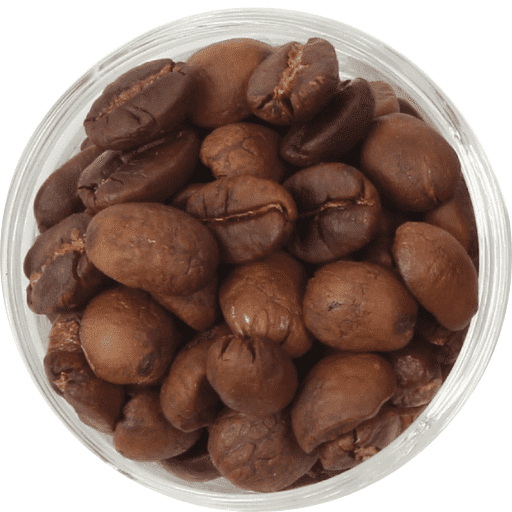
As you would expect, light roasts are lighter in color. For these, the original flavor of the coffee is prominent. You may hear these referred to as a light city, half city. These tend to have a brighter flavor with more acidity. They also have more caffeine than darker roasts.
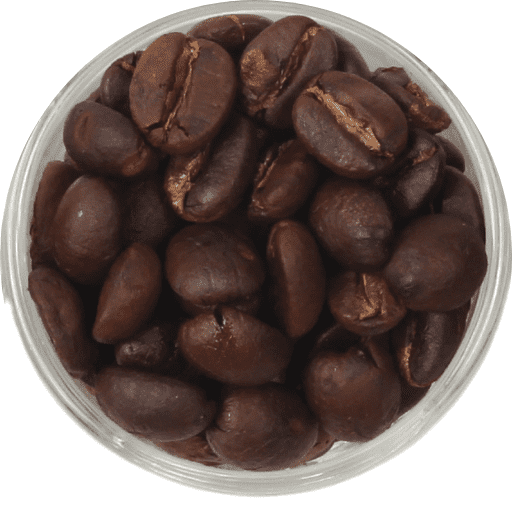
Medium roast coffee is the most common in the U.S. It balances flavor, aroma, and acidity. Roasters may call this city, American, or breakfast. With medium-dark or full city, oils will start to break the surface of the bean.
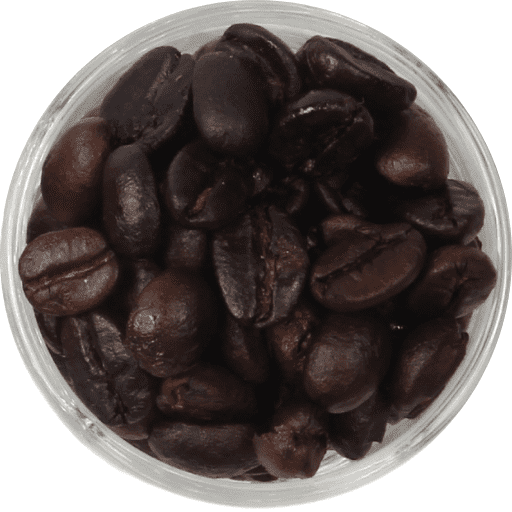
With a dark roast coffee, the bean may shine with surface oils. These have a bold flavor and might border on bitter. Dark roasts have a lot of names, with the darkest roasts often called French or Italian. Many coffees labeled as espresso are dark roasts, but you’ll find medium roasts also used for making espresso.
We hope this helps you find the best coffee for espresso available. While you can’t go wrong with any of the coffees on this list, our top recommendation is Lifeboost Coffee’s Espresso Beans.
We’re a big fan of sustainably sourced, organic coffee. Also, Lifeboost subjects its beans to rigorous testing. Because of that, you can trust that you aren’t getting any harmful chemicals in your morning wake-up call.
Lifeboost’s espresso is a little darker roast than some of the other beans on this list. Personally, I like lattes. This dark roast is bold enough to hold its taste even with a lot of milk. So, crank up the espresso machine and let the pressure build.