
Are you missing the flavor of coffee but trying to avoid caffeine? Decaffeinated coffee is…

Decaf coffee can vary far more than many people expect. Differences in origin, processing, and decaffeination method can dramatically change the flavor, body, and overall balance in the cup.
To explore these differences, I brewed and tasted three decaf coffees using both espresso and V60 filter brewing. The goal was to understand how these factors influence real brewing results and everyday drinking experience.
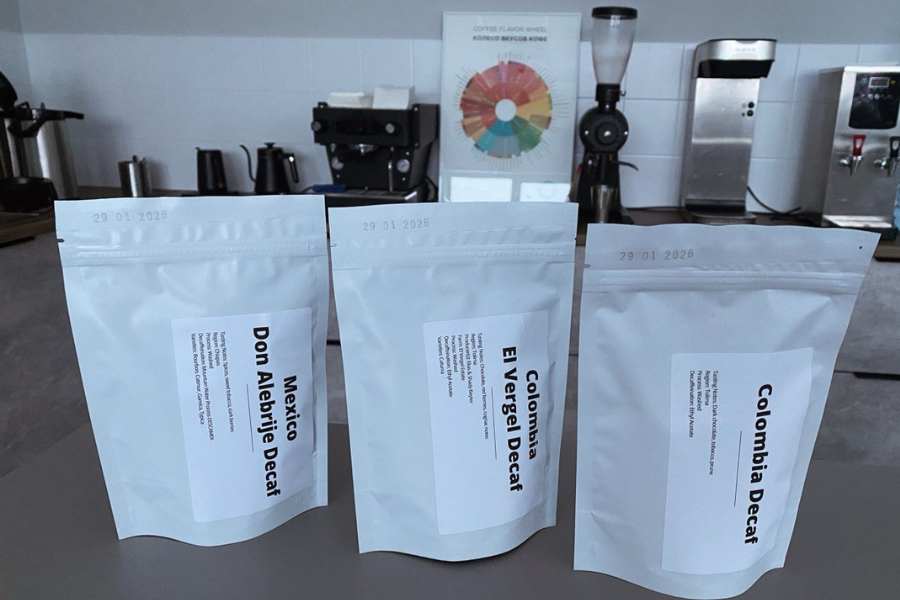
All three coffees came from a local roaster and were roasted with an omni roast profile. They were intended to work equally well for both espresso and filter brewing, which allowed me to try each lot in different methods without changing the approach for the roast.
The goal of this comparison was simple. I wanted to understand how origin, processing, and the decaffeination method show up in the cup. I looked at the coffee step by step, starting with the appearance of the green beans, then paying attention to roast development and aroma, and finally tasting them as espresso and in V60.
This article is not about scores or technical measurements. It is a hands-on comparison based on real brewing and everyday drinking. Below, I share my impressions, tasting notes, and the key differences I noticed between these three decaf coffees.
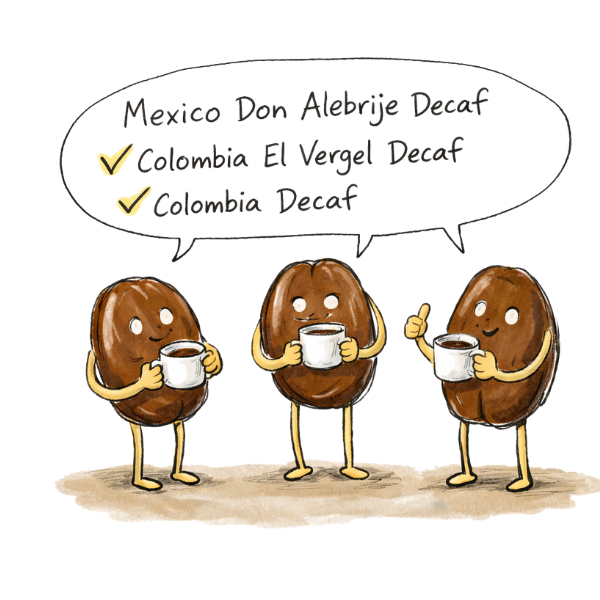
Mexico Don Alebrije Decaf
Colombia El Vergel Decaf
Colombia Decaf
The coffees were chosen to highlight how different factors shape the character of decaf coffee. The selection includes two decaffeination methods, which makes it possible to compare how the caffeine removal process affects flavor clarity, sweetness, and the overall structure of the cup.
The lots also come from different origins and use different processing styles. This allows origin characteristics and fermentation choices to show through and interact with decaffeination, rather than being completely masked by it.
Before roasting, all three decaf lots already show distinct characteristics.
The beans are light in color and show moderate variation in size and shape. This reflects the use of multiple varieties, including Bourbon, Catimor, Garnica, and Typica, combined with a washed process. The overall appearance is clean, though not perfectly uniform, which is typical for coffee decaffeinated using the Mountain Water Process.
These beans are visibly darker even before roasting, which is a direct result of anaerobic fermentation. The beans are dense, smooth, and very uniform in size and shape. This reflects the use of a single variety, Caturra, and careful post-harvest processing carried out at the farm level.
The lightest green beans among the three have noticeable inconsistency in size and density. Although it uses the same decaffeination method (ethyl acetate) as El Vergel, it appears to be a more generic regional lot, likely with less selection or processing precision.
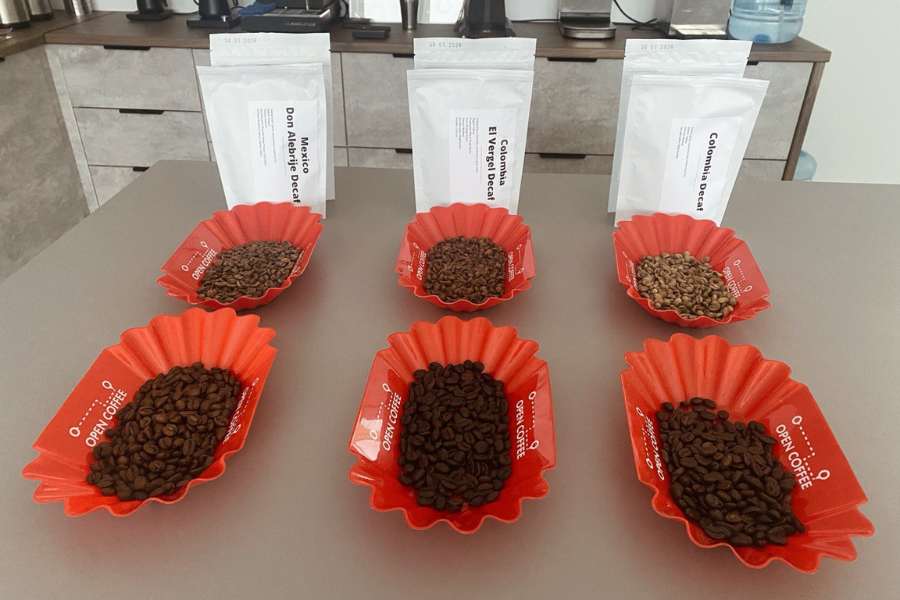
All three coffees were roasted using the same omni roast profile, designed to work well for both espresso and filter brewing. This approach allows for a fair comparison across brew methods. Despite identical roast settings, the beans developed differently due to their natural physical properties.
Mexico Don Alebrije Decaf
The beans reached a medium roast level with slight variation in shade across the batch. This is expected considering the blend of multiple varieties. Expansion during roasting was moderate. The surface remained clean and matte, with no signs of oil development. Overall, the roast is balanced and suitable for both espresso and filter preparation.
Colombia El Vergel Decaf
Among the three, this lot showed the most consistent and even roast. The beans are uniformly sized and appear slightly darker. The color is not the result of a longer roast time but rather the effect of anaerobic fermentation. This processing method darkens the green beans naturally and affects how they react to heat during roasting. The result is a dense, stable, and visually clean coffee
Colombia Decaf
This lot appears slightly darker than the others and shows more variation in both size and surface texture. The beans expanded more noticeably during roasting and have a slightly looser structure. This may be due to lower initial density. While it may not look as refined as the other two, it shows strong potential in espresso, where deeper development and body are more desirable.
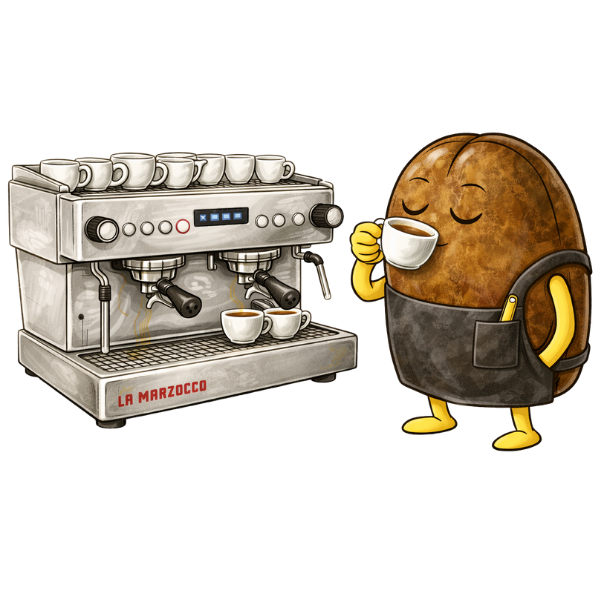
To evaluate how each coffee performs under pressure, I prepared three espresso shots using the same equipment. Each coffee was dialed in using standard espresso parameters with minor grind adjustments to maintain consistent extraction. The setup included a La Marzocco espresso machine, Fiorenzato F64 grinder, and an 18-gram VST basket. Water used for extraction was filtered to 60 ppm.
All three extractions resulted in cups with a dense body and full flavor. Most importantly, none of them tasted like decaf. If I hadn’t known these were decaffeinated, I would have assumed I was drinking regular specialty coffee.
Each coffee expressed its character differently, showing how origin, processing, and decaffeination influence the espresso profile.
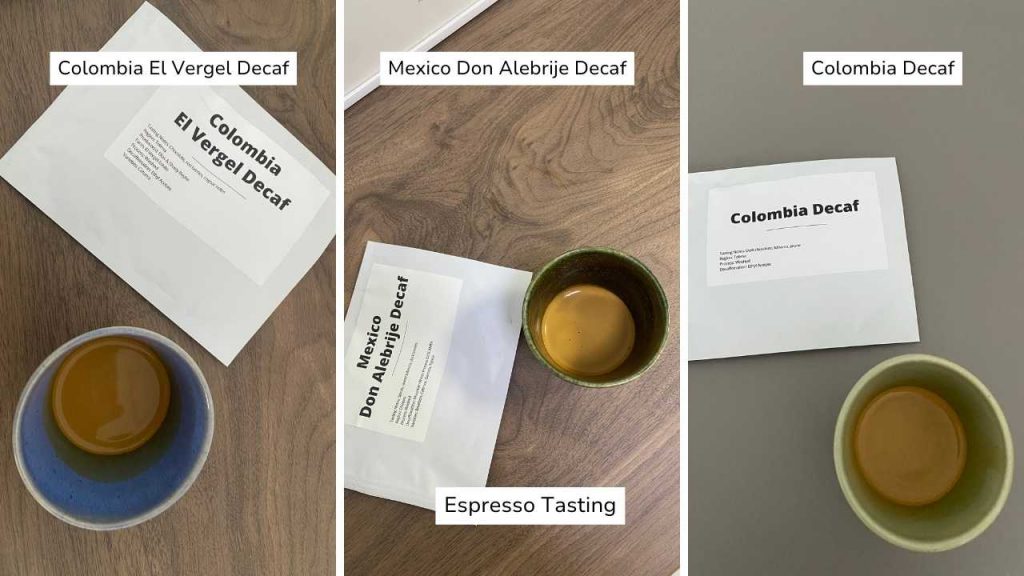
Colombia Decaf
The most approachable and classic tasting of the three. This espresso had a solid dark chocolate base, a smooth texture, and very mild acidity, which made it feel grounded and familiar. It is a perfect option for those who prefer a low acidity profile and pairs exceptionally well with milk drinks. This lot reminded me of a reliable house espresso that is simple, rich, and comforting.
Mexico Don Alebrije Decaf
A beautifully balanced shot with a clear sweetness and a bright but pleasant acidity. The most striking flavor note was dark berries, which gave the cup liveliness without becoming sharp. The body was rounded, and the finish clean. This coffee stands strong as a standalone espresso but would also work beautifully in blends where you want a touch of fruit and sweetness.
Colombia El Vergel Decaf
The most complex and expressive in the lineup. This espresso was sweet and vibrant, with a layered acidity and flavor notes of chocolate and red berries, finishing with a subtle wine-like nuance. The cup had excellent structure with both sweetness and juiciness, making it ideal for black espresso drinkers who enjoy a brighter profile without harshness.
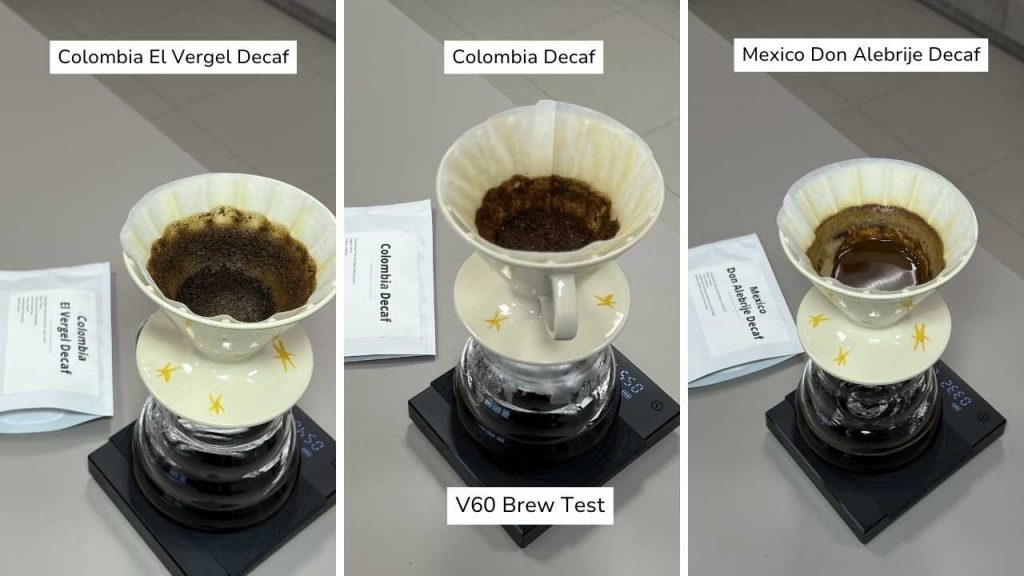
To evaluate how each coffee behaves in filter brewing, I used the same recipe and parameters for all three lots. The brew method was V60, with 15 grams of coffee and 250 grams of water, resulting in a 1:16.7 brew ratio. Water temperature was set to 92°C with a mineral content of 40 ppm. The grind size was medium for the filter, using a Mahlkönig EK43 grinder set at #10.
Colombia Decaf
A dense and grounded cup with dominant notes of dark chocolate, followed by hints of tobacco and prune in the finish. The texture is full, but the acidity is very subdued. While the coffee performs well, I personally prefer a brighter profile for V60. This one leans more toward a classic, mellow filter experience.
Mexico Don Alebrije Decaf
A well-balanced and expressive brew. The cup opens with notes of spice, sweet tobacco, and dark berries. It has a smooth and full body, complemented by medium acidity that brings both clarity and liveliness. A strong filter option that doesn’t compromise on complexity.
Colombia El Vergel Decaf
The most vivid and aromatic cup of the three. The aroma reminded me of forest berry jam, and the flavor followed through with layers of chocolate, ripe berries, and a subtle touch of cognac. It’s a vibrant and juicy coffee with a sweet structure that lingers beautifully.
Swipe → to see the full table on mobile
| Parameter | Mexico Don Alebrije | Colombia El Vergel | Colombia Decaf |
|---|---|---|---|
| Processing Method | Washed | Washed + Anaerobic Fermentation | Washed |
| Decaffeination Method | Mountain Water Process | Ethyl Acetate | Ethyl Acetate |
| Tasting Notes | Spices, sweet tobacco, dark berries | Chocolate, red berries, cognac-like notes | Dark chocolate, tobacco, prune |
| Flavor Complexity | High | High | Medium |
| Acidity | Medium | Above average | Low |
| Body | Smooth | Velvety | Dense |
| Best Brewing Method | Espresso & V60 | V60 | Espresso |
| Roast Level | Omni | Omni | Omni |
After tasting all three decaf coffees both as espresso and in V60, each one clearly showed its own personality. Depending on your brewing preference and taste profile, they offer very different experiences.
Colombia Decaf was the most approachable and classic. With low acidity and a strong chocolate base, it is a safe and satisfying choice for everyday espresso drinkers, especially those who enjoy adding milk. It is smooth, comforting, and familiar.
That said, my personal pick for espresso is Mexico Don Alebrije Decaf. I prefer my espresso with a bit more brightness, and this coffee delivered just that. It was fruity, sweet, and well-balanced with a touch of dark berries. It is a cup that keeps things interesting.
The most vibrant and expressive cup came from Colombia El Vergel Decaf. The flavor was rich, layered, and even had a cognac-like complexity. It is a fantastic coffee for slow, mindful brewing and tasting. But for me, it is not something I would reach for every single day as those deep, boozy notes could get a bit too much.
That’s why Mexico Don Alebrije Decaf stands out again for me in V60. It hits that sweet spot of sweetness, balance, and gentle acidity. It is a filter coffee I could enjoy every evening as it is flavorful without being overwhelming.
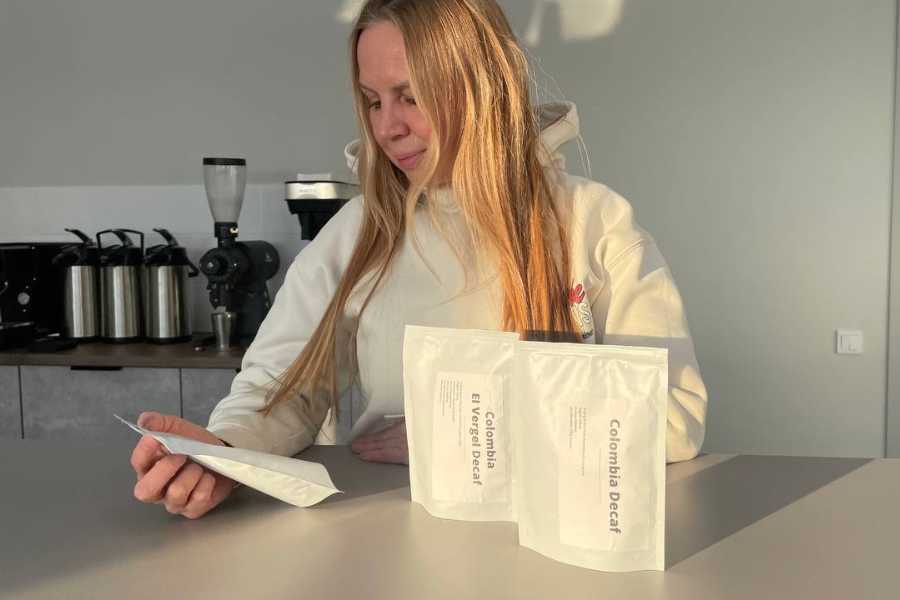
My personal favorite and reasoning:
Coffee Mexico Don Alebrije turned out to be the most versatile in my experience. I enjoyed it as a bright and balanced espresso, and it also delivered a comforting and flavorful V60. Colombia Decaf was my go-to when I wanted something smooth, easy to drink, and especially good with milk. El Vergel offered the most expressive and complex filter cup, but it is not a coffee I would reach for every day.