


- Real café experienceBehind the bar since 2011
- Hands-on testingBrewed, tasted, repeated
- Structured criteriaThe same checklist every time
- Independent researchSources compared, not copied
Coffee
How we test coffee
Coffee is where our expertise is strongest. Most coffees featured on CoffeeHow are brewed and tasted directly, in four steps.
-
Sourcing and transparency review
Before brewing, we look at what the bag tells us. Clear labeling and traceability matter.
- Origin and varietal
- Processing method
- Roast level and roast date
- Transparency of sourcing
-
Controlled brewing
Coffee is brewed with calibrated grinders and controlled variables, over several attempts for consistency.
- Grind adjusted for good extraction
- Relevant methods: espresso, V60, French press, AeroPress
- Controlled brew ratios
- Dialed-in shots for espresso coffees
-
Sensory evaluation
Tasting notes come from repeated tasting, not a single-cup impression.
- Aroma clarity
- Acidity, sweetness and body
- Balance and aftertaste
- Overall coherence
-
Retesting over time
Coffee changes with every harvest and batch, so where possible we revisit coffees seasonally or every year.
- Subscription services
- Recurring roasters
- Popular blends
Equipment
How we evaluate coffee equipment
Equipment is evaluated with a three-tier model. Some machines are tested directly; others are assessed with professional experience and structured research. We're open about the difference.
-
Tier 1
Direct hands-on testing
When we have the equipment, we test it under real brewing conditions, not showroom demos: multiple dial-in attempts, milk drinks and routine cleaning.
- Shot repeatability and dialing-in
- Temperature stability across back-to-back shots
- Steam power and milk texturing
- Grind consistency and adjustment precision
- Workflow, cleaning and build quality
-
Tier 2
Professional context
Over a decade of café work means certain specifications tell us how a machine will behave in practice. This is applied industry knowledge, not guesswork.
- Boiler type and size
- Heat exchanger vs. dual boiler
- Pump design
- Burr size and geometry
- Thermal management
-
Tier 3
Structured expert research
When we can't test a product in-house, we compare independent sources, find the consensus and highlight recurring strengths and weaknesses. We don't repeat advertising claims.
- Long-term professional reviews
- Reliability reports
- Performance data from trusted testers
- Verified owner experiences
- Manufacturer technical documentation
Whenever possible, our reviews state whether a product was personally tested or evaluated through structured research.
Checklists
Evaluation criteria by category
-
Espresso machines
- Temperature stability
- Pressure consistency
- Steam performance
- Ease of dialing in
- Build quality
- Maintenance access
- Skill level suitability
- Price-to-performance
-
Coffee grinders
- Burr type and size
- Grind consistency
- Adjustment precision
- Retention
- Noise level
- Build quality
- Value for performance
-
Coffee beans
- Sourcing transparency
- Roast consistency
- Sensory quality
- Brew method compatibility
- Price-to-quality
Independence and transparency
We don't sell positive reviews
- CoffeeHow is reader-supported.
- Some products are bought independently; some are provided by brands for review.
- Affiliate commissions never influence our criteria or conclusions.
- If a product doesn't meet expectations, we say so.
Always improving
Continuous testing and updates
Coffee keeps evolving, and so do our standards. We re-test equipment and coffees, update rankings and recommendations, refine our evaluation criteria and fold in new brewing knowledge and research.
Why testing from Rome helps
Rome gives us direct access to a broad range of Italian and European espresso equipment, from traditional machines to modern prosumer systems and specialty grinders.
Many leading roasters distribute within Europe, and most international coffees can be shipped reliably, so we can compare origins, roast styles and processing methods under the same brewing conditions.

Who tests
The barista behind our testing
Sasha Pavlovich Founder and editor · Barista and coffee educator
- Since 2011Working in coffee
- 70Articles on CoffeeHow
- Rome, ItalyBased in
Sasha Pavlovich founded CoffeeHow and edits everything we publish. A former professional barista, Sasha has worked hands-on in coffee since 2011, in café service, espresso preparation, manual brewing and coffee education.
Today Sasha focuses on structured coffee testing, equipment evaluation and practical brewing guides for home brewers, with both European espresso culture and the U.S. home market in mind.
- Espresso
- Brew methods
- Coffee beans
- Roasting
- Sensory evaluation
- Coffee gear
Training and certificates
-
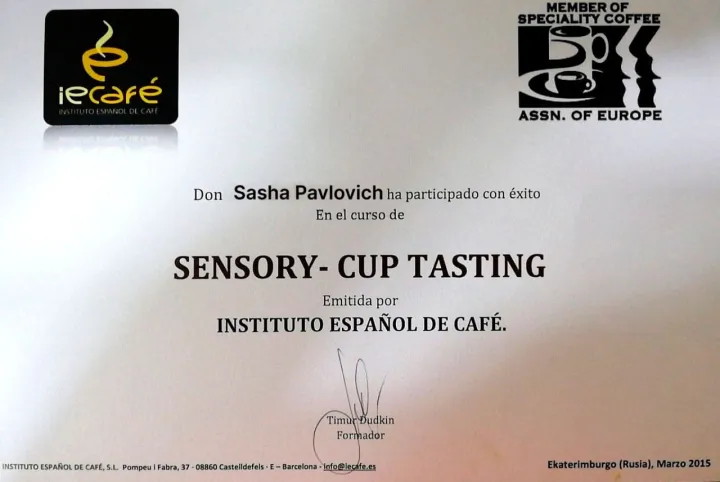
 (view full size, opens in a new tab)
Sensory cup tasting course Instituto Español de Café March 2015 -
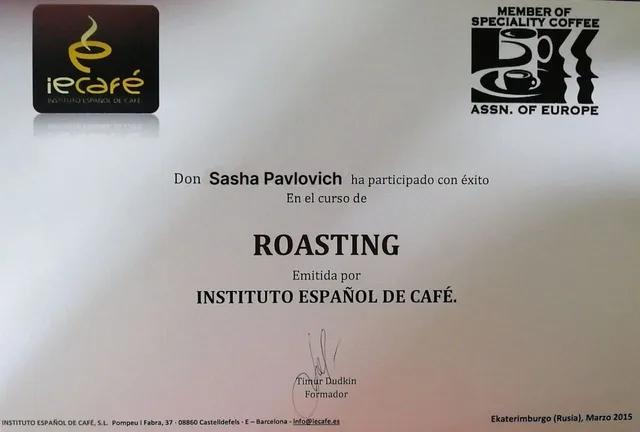
 (view full size, opens in a new tab)
Coffee roasting course Instituto Español de Café March 2015 -
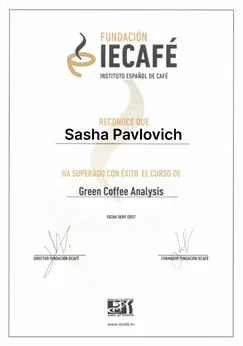
 (view full size, opens in a new tab)
Green coffee analysis course Instituto Español de Café 2017
Testing questions and answers
Do you test every product you review?
Not always, and we say which is which. Equipment is evaluated in three tiers: direct hands-on testing when we have the product, professional context from years of café work, and structured research across independent sources when we can't test it in-house. Whenever possible, we state whether a product was personally tested or evaluated through research.
Do brands pay for reviews?
No. Some products are bought independently and some are provided by brands for review, but we don't sell positive reviews. If a product disappoints, we say so.
Do affiliate links affect your recommendations?
No. CoffeeHow is reader-supported, and we may earn a commission when you buy through our links. That doesn't change our evaluation criteria or conclusions.
How often are reviews updated?
We re-test equipment and coffees, update rankings and refine our criteria as products and coffees change. Where possible, coffees from subscriptions, recurring roasters and popular blends are revisited every season or year.
More about how we work
- About CoffeeHow Who we are, our mission and how we work.
- Our authors The baristas and coffee experts who write for us.
- Editorial policy How articles are researched, reviewed and corrected.
- How we make money Affiliate links, and why they never decide a review.
- Research sources The studies and references behind our guides.
- Contact us Questions, corrections and professional inquiries.