Iced Ube Latte Recipe (5 Minutes, No Barista Skills Needed)
Make a creamy Iced Ube Latte at home in 5 minutes. Espresso, almond milk, and ube extract — vegan, gluten-free, and easy to customize.

- 5 min
- Makes 1 drink
- 5 ingredients
Written from hands-on barista experience and checked against our editorial standards. Editorial policy · Health disclaimer
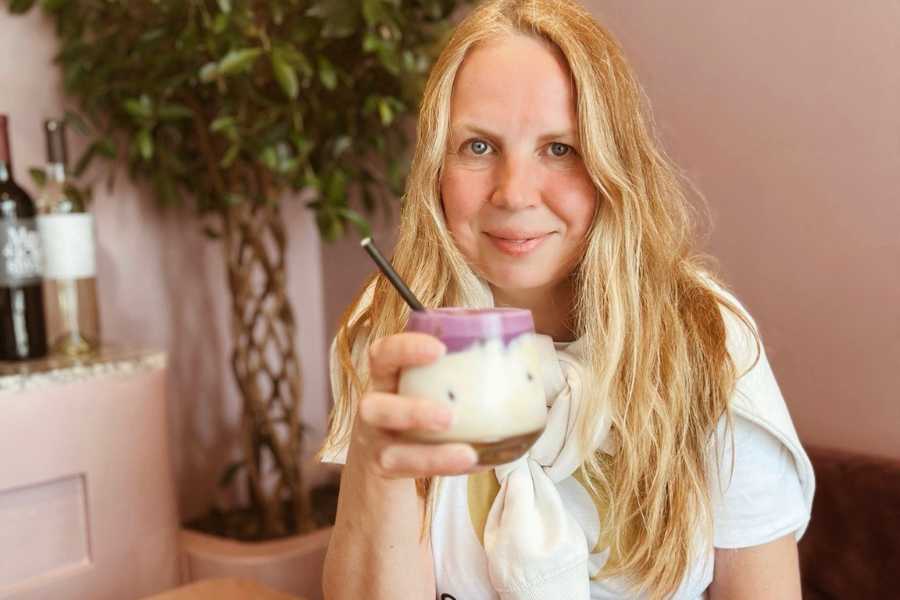
Sometimes you want a drink that feels like a little moment — something colorful on the table that makes your family ask what it is, or a reason for friends to reach for their phones before they even take a sip. This iced ube latte has become my go-to for exactly those occasions.
An iced ube latte is a Filipino-inspired coffee drink made with ube extract, espresso, milk, and ice. Ube gives the drink its distinctive purple color and a mildly sweet, nutty flavor that pairs well with the bold taste of espresso.
This recipe takes about five minutes to prepare and works well with almond, oat, coconut, or dairy milk. Use plant-based milk for a vegan version, and adjust the amount of sweetener to suit your taste.
The key is to mix the ube extract thoroughly with the milk before adding the espresso. This creates an even color, a smoother texture, and a more balanced flavor in the finished latte.

But First, What Is Ube?
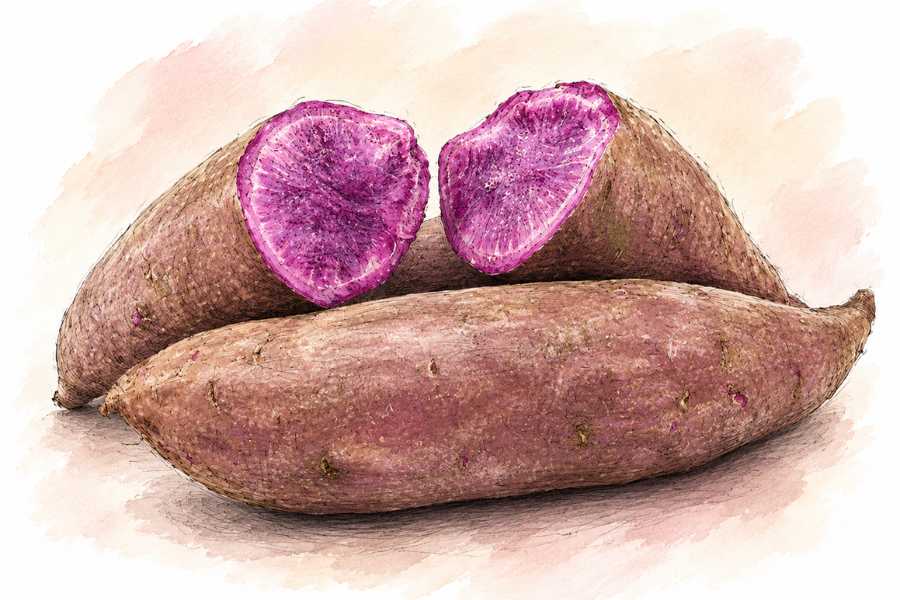
Ube, pronounced “ooh-beh,” is a purple yam commonly associated with Filipino cuisine, where it has been used in traditional desserts for generations. It is often boiled and mashed to make ube halaya, a sweet purple spread, and is also used in ice cream, cakes, and other desserts.
Its purple-violet color comes from naturally occurring anthocyanin pigments. Ube has a mild, slightly sweet flavor with nutty and vanilla-like notes, making it distinct from purple sweet potato.
For this latte, ube extract provides the characteristic color and flavor. It is available in many Asian grocery stores and online, but ingredients vary by brand, so check the label if you need a vegan or gluten-free product.
What is an iced ube latte?
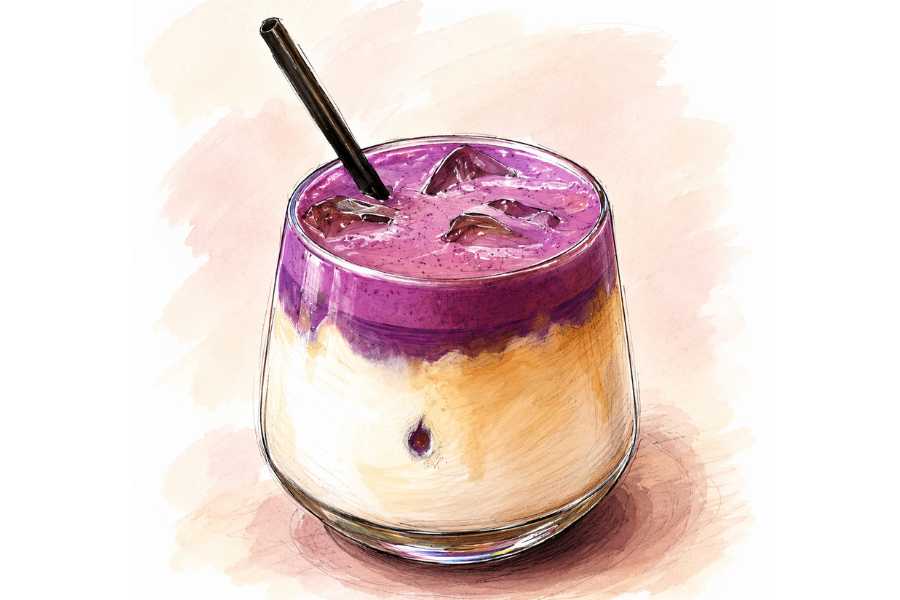
An iced ube latte is a cold coffee drink made with espresso, ube extract, milk, and ice. The ube extract blends into the milk, giving the drink its distinctive purple color and a mildly sweet, nutty, and vanilla-like flavor.
Compared with a regular iced latte, it has a softer, sweeter flavor that balances the boldness of the espresso. The result is a creamy, refreshing, and visually striking drink.
It is often served in a clear glass to highlight the purple-and-coffee layers before stirring.

How Does It Taste?
The ube flavor itself is mild and subtly sweet, with nutty and vanilla-like notes. It doesn’t overpower the espresso. The two balance each other well. If you’re used to flavored lattes like vanilla or caramel, ube will feel familiar but softer and more natural.
I’ve made this latte with oat milk, coconut milk, and almond milk. Coconut milk gave the strongest flavor. The nuttiness of ube and coconut worked really well together, and the result felt almost dessert-like. Oat milk produced the creamiest texture but a more neutral taste, which lets the ube come through without any competing flavor. Almond milk kept it the lightest and least sweet of the three.
My personal preference is oat milk for everyday use and coconut milk when I want something more indulgent. Like on a slow weekend morning when you actually have time to enjoy it.

Ingredients You’ll Need
- Ube extract — 1–2 teaspoons per serving.
This gives the latte its distinctive purple color and ube flavor. You can find it in many Asian grocery stores or online. Ube paste can also work, but mix it with a small amount of warm milk first so it blends smoothly. - Espresso — 1–2 shots (30–60 ml).
A medium-dark or dark roast provides enough coffee flavor to remain noticeable after adding milk and ice. If you do not have an espresso machine, use strongly brewed coffee, cold-brew concentrate, or instant coffee. - Milk — 150–180 ml.
Oat milk creates a creamy, neutral base, coconut milk complements ube’s nutty notes, and almond milk keeps the drink lighter. Dairy milk also works well. Choose unsweetened milk if you want more control over the sweetness. - Ice — enough to fill the glass.
Add the ice before the milk to keep the drink cold and help chill the espresso when it is poured on top. - Sweetener, optional — 1–2 teaspoons.
Use simple syrup, maple syrup, white sugar, or another sweetener of your choice. If using granulated sugar, stir it into the hot espresso so it dissolves completely.
Can’t Find Ube Extract? Use Ube Powder Instead
Ube extract can be hard to find outside of Asian grocery stores. Ube powder is a more widely available alternative. You can order it on Amazon or iHerb with delivery to most countries.
The process is slightly different because powder doesn’t dissolve directly into cold liquid. Here’s how to use it:
1. Mix 1–2 teaspoons of ube powder with 2–3 tablespoons of warm milk or water. Stir until you get a smooth paste with no lumps.
2. Let it cool for a minute.
3. Add the paste to your glass and pour in the remaining cold milk (150–180 ml). Stir well.
4. Add ice, then pour the espresso slowly on top.
A few things to keep in mind: ube powder is usually less sweet than extract, so you may want to add a little more sweetener. The color will be slightly less vibrant, and the texture may be a touch thicker. The flavor, however, is very similar.

How To Make an Iced Ube Latte?
1. Pull the espresso.
Brew 1–2 shots of espresso. If you are using a sweetener, stir it into the espresso while it is still hot so it dissolves completely. Let the espresso cool for 2–3 minutes.
2. Add the ube extract.
Add 1–2 teaspoons of ube extract to a glass.
3. Pour in the milk.
Add 150–180 ml of milk and stir thoroughly until the ube extract is evenly blended and the milk has a consistent purple color.
4. Add the ice.
Fill the glass with ice. Mixing the ube extract with the milk before adding the ice helps prevent it from settling at the bottom.
5. Pour the espresso on top.
Slowly pour the cooled espresso over the ice to create a layered effect. Stir the drink before serving for a balanced flavor.
6. Add an optional garnish.
Finish with a light dusting of ube powder for extra flavor, or add whipped cream for a richer, creamier drink.


Recipe
Iced Ube Latte
A Filipino-inspired iced latte with ube extract, milk and espresso: purple, mildly sweet and nutty, ready in about five minutes.
- Total
- 5 min
- Makes
- 1 drink
Ingredients
Equipment
- Espresso machine, or strong brewed coffee
- Tall clear glass
Instructions
Brew 1–2 shots of espresso. If using a sweetener, stir it into the hot espresso so it dissolves, then let the espresso cool for 2–3 minutes.
Add 1–2 teaspoons of ube extract to a glass.
Pour in 150–180 ml of milk and stir until the color is evenly purple.
Fill the glass with ice.
Slowly pour the cooled espresso over the ice for a layered look. Stir before drinking.
Finish with a light dusting of ube powder, or whipped cream for a richer drink (optional).
Tips
- No espresso machine? Use strongly brewed coffee, cold-brew concentrate or instant coffee.
- Using ube powder: mix 1–2 tsp with 2–3 tbsp warm milk or water into a smooth paste, let it cool, then continue from step 3. Powder is less sweet, so you may want more sweetener.
- Coconut milk gives the strongest ube flavor; oat milk is the creamiest.
Iced Ube Latte Questions

Frequently Asked Questions
An iced ube latte can be a lighter coffee drink when it is made with unsweetened milk and little or no added sugar. However, its calorie and sugar content depend on the milk, sweetener, ube flavoring, and toppings you use. It can also be made vegan and gluten-free by choosing suitable ingredients.
You can prepare the espresso and ube milk mixture in advance and store them separately in covered containers in the refrigerator. For the best flavor and texture, add the ice and assemble the latte shortly before serving.
Ube and purple sweet potato are different plants. Ube is a purple yam, while purple sweet potato is a variety of sweet potato. Ube generally has a creamier texture and a mildly sweet, nutty flavor, while purple sweet potatoes are often denser, drier, and more earthy. Although they may look similar, they can produce different results in drinks and desserts.
Yes. You can replace espresso with strong brewed coffee, cold-brew concentrate, or instant coffee. Use a concentrated coffee so that its flavor remains noticeable after adding milk and ice.
Almond milk, oat milk, and coconut milk all work well in an ube latte. Oat milk creates a creamy texture, while coconut milk complements ube’s mildly sweet, nutty flavor. You can also use regular dairy milk. For a less sweet drink, choose unsweetened milk.
An ube latte contains caffeine when it is made with espresso, brewed coffee, cold-brew concentrate, or caffeinated instant coffee. The amount depends on the type and quantity of coffee used. For a caffeine-free version, use decaffeinated coffee or leave the coffee out.
Yes, but ube powder may change the texture and flavor of the drink. Mix it with a small amount of warm water or milk first to help it dissolve before adding it to the latte. You may also need to adjust the amount of sweetener, since ube powder is not always sweetened. Ube powder is available on Amazon and iHerb.
A homemade iced ube latte made with 1–2 teaspoons of ube extract, 150–180 ml of unsweetened oat or almond milk, and 1–2 shots of espresso contains roughly 50–80 calories per serving. Using sweetened milk, adding sugar, or topping with whipped cream increases that significantly — a sweetened version with whole milk can reach 150–200 calories. The ube extract itself adds minimal calories; most of the variation comes from the type and amount of milk and sweetener you use.
One More Thing Before You Go
Meet our little CoffeeHow coffee bean. He wanted to show you the recipe one more time, just in case.
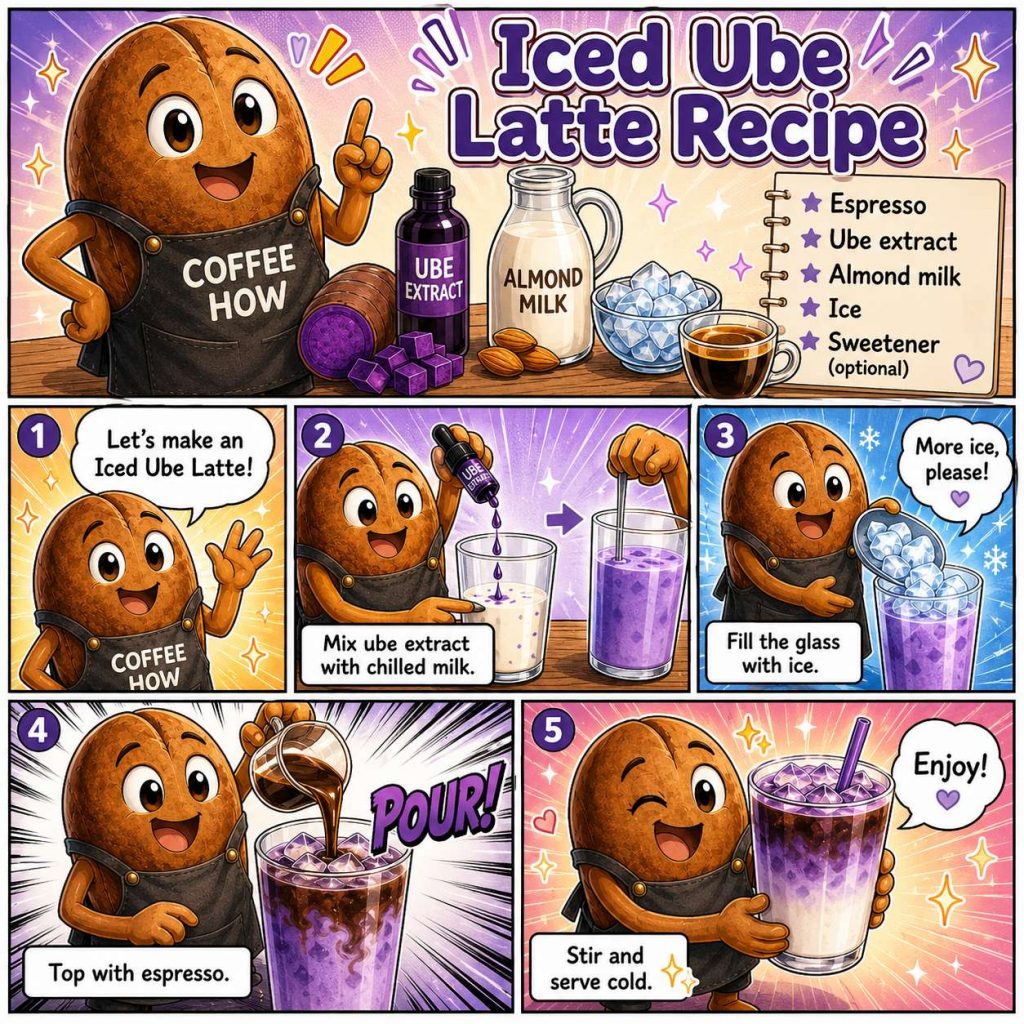
Full written recipe with ingredient ratios and tips is above. ↑
Published · Last updated


